
Hidden within the rich tapestry of Spain’s vibrant culinary heritage lies a dessert that perfectly marries simplicity with indulgence-Leche Frita. Frequently enough described as a creamy, golden treasure, this fried milk pudding has delighted taste buds for generations, offering a unique twist on conventional sweets. As we journey into the origins, preparation, and cultural significance of Leche Frita, prepare to uncover the secrets behind Spain’s beloved creamy fried dessert delight that continues to enchant locals and travelers alike.
Leche Frita uncovered: Spain’s Creamy Fried Dessert Delight
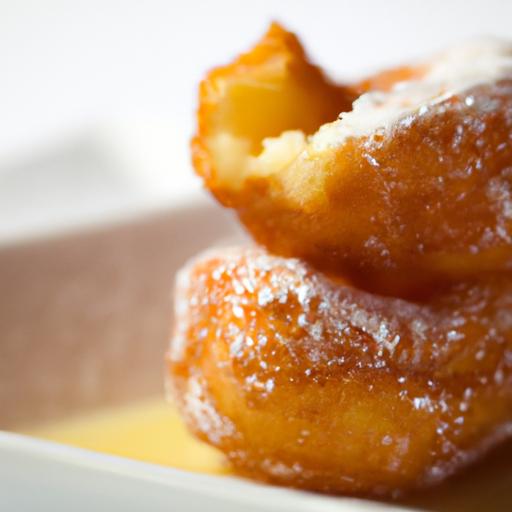
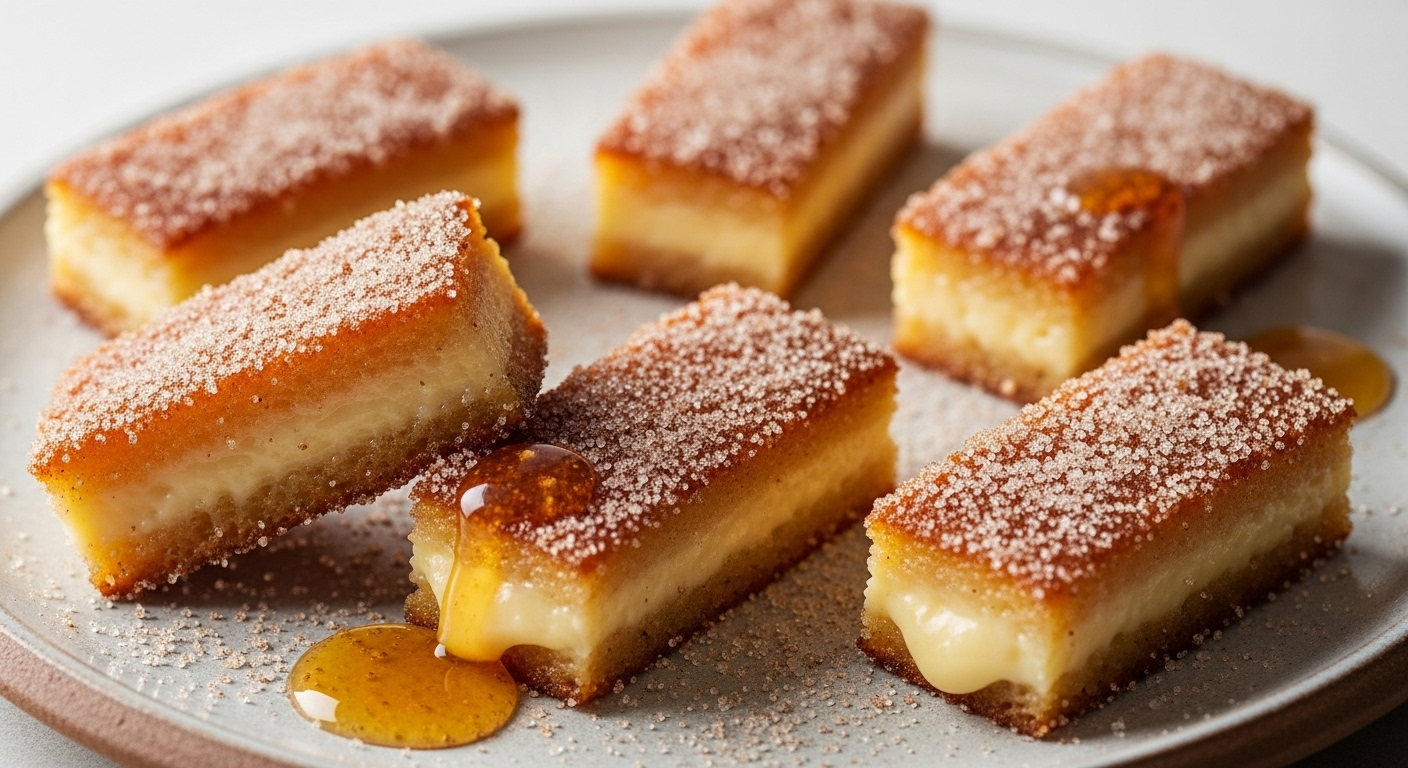
Leche Frita is a beloved classic within Spanish cuisine, captivating dessert lovers with its luscious creamy interior and irresistibly golden fried crust. This delightful treat, whose name translates to “fried milk,” originated in the northern regions of Spain, especially Castile and León, as an ingenious way to transform simple pantry staples into a show-stopping finale for meals. Its unique texture-a custard-like center wrapped in a crispy shell-makes it stand out among Spanish sweets, echoing centuries of culinary tradition and regional ingenuity.
Prep and Cook Time
- Preparation: 20 minutes
- Cooking: 15 minutes
- total Time: 35 minutes
Yield
Approximately 8 servings
Difficulty Level
Medium – requires attention to timing and frying technique
Ingredients
- 4 cups whole milk, divided
- 1 cup granulated sugar
- 1/2 cup all-purpose flour, sifted
- 1/4 cup cornstarch
- 1 cinnamon stick
- Peel of 1 lemon (avoid the white pith)
- 2 teaspoons vanilla extract
- 2 large eggs, beaten
- 1 cup all-purpose flour for dredging
- Vegetable oil, for frying (about 2 cups)
- Cinnamon sugar mixture (1/4 cup sugar + 1 tablespoon ground cinnamon) for coating
Instructions
- In a medium saucepan, bring 3½ cups of milk together with the cinnamon stick and lemon peel to a gentle simmer over medium heat, allowing the flavors to infuse for 10 minutes. Remove from heat and let it steep while preparing the dry ingredients.
- In a large bowl, whisk 1 cup sugar, 1/2 cup flour, and 1/4 cup cornstarch until well combined.Gradually pour in the strained warm milk, whisking continuously to prevent lumps from forming into a smooth, runny batter.
- Transfer the mixture back to the saucepan. Place over low-medium heat, stirring constantly with a wooden spoon or silicone spatula. Scrape the bottom and sides to avoid sticking.Cook for 7-10 minutes until thickened to a dense, pudding-like consistency that can hold its shape.
- remove the custard from heat and stir in vanilla extract. Spread the mixture into a greased rectangular dish (about 8×8 inches) to an even thickness of approximately 1 inch. Cover the surface with plastic wrap pressed directly on top to prevent a skin forming.Cool to room temperature, then refrigerate for at least 4 hours or overnight until firm.
- Once set, turn the custard out onto a cutting board. Using a sharp knife, cut into rectangular pieces roughly 2×3 inches.
- Prepare a dredging station with the beaten eggs in one bowl and 1 cup flour in another.Lightly dredge each piece first in flour, then dip into the beaten eggs ensuring complete coating.
- Heat vegetable oil in a deep skillet or frying pan over medium heat to 350°F (175°C). Carefully fry the pieces in batches, turning gently, until they achieve a perfectly crispy golden crust, about 2 minutes per side. Remove and drain on paper towels.
- Immediately sprinkle with the cinnamon sugar mixture while still warm, allowing the coating to stick beautifully.
Secrets to Achieving the Ideal Crispy Golden Crust Every Time
Mastering the balance between a crunchy exterior and a smooth, creamy interior is key. Use fresh oil heated to the right temperature to prevent excessive oil absorption. Avoid overcrowding the pan, which can drastically reduce frying temperature and result in soggy texture. For extra crispness, ensure pieces are thoroughly coated and maintain consistent flipping for even browning. Lastly, the cinnamon sugar adds not only sweetness but a fragrant finish that enhances the golden crust’s character.
Expert Tips for Serving and Pairing Leche Frita with Complementary Flavors
Serve pieces warm, ideally straight from frying. their rich custardy texture pairs beautifully with a scoop of vanilla or cinnamon ice cream, fresh berries, or a drizzle of honey caramel sauce. A cup of strong Spanish coffee or a glass of sweet PX sherry complements the warmth and spice notes perfectly. Garnish with a light dusting of cinnamon or a fresh mint sprig to add visual appeal and a touch of herbal brightness.
chef’s Notes
- For a gluten-free version, substitute the all-purpose flour with rice flour and cornstarch.
- Adjust the sweetness by reducing sugar to 3/4 cup if you prefer a less sweet dessert.
- Make the custard base a day ahead to ensure the perfect, firm texture for frying.
- Leftovers keep well covered in the fridge for up to 2 days; reheat briefly in a hot pan but avoid the microwave to preserve the crisp texture.
| nutrient | Per Serving |
|---|---|
| Calories | 230 |
| Protein | 5g |
| Carbohydrates | 30g |
| Fat | 9g |

Q&A
Q&A: Leche frita uncovered - Spain’s Creamy Fried Dessert Delight
Q: What exactly is Leche Frita?
A: Leche Frita, which translates to “fried milk,” is a beloved Spanish dessert that turns simple ingredients into a luscious treat. It’s essentially a creamy milk pudding that’s been thickened,chilled,sliced,coated in flour and egg,then lightly fried to golden perfection.The result? A crispy exterior that gives way to a silky, melt-in-your-mouth center.
Q: Were did Leche Frita originate?
A: Leche Frita is a traditional dessert with roots tracing back to northern Spain, particularly regions like Castilla y León. It emerged as a humble, homey creation designed to transform everyday pantry staples into something wonderfully indulgent.Q: What are the main ingredients in Leche Frita?
A: the magic trio is milk,flour (sometimes combined with cornstarch),and sugar. Additional flavorings-like cinnamon sticks, lemon zest, or vanilla-infuse the milk while it’s heated, creating fragrant layers of flavor. After cooking, the thickened milk base is cooled, then fried to add a satisfying crunch.
Q: How is Leche Frita typically served?
A: Once fried, the pieces are often sprinkled with a dusting of cinnamon sugar, which enhances their warm, comforting character. It’s commonly enjoyed warm or at room temperature, sometimes accompanied by a drizzle of honey or a dollop of whipped cream.
Q: What makes Leche Frita stand out from other desserts?
A: Its delightful textural contrast is key-a crispy, golden crust protecting a luxuriously smooth interior. Unlike many fried treats that rely on dough or batter, Leche Frita’s core is velvety custard, offering a surprising and unforgettable twist on fried desserts.
Q: Can Leche Frita be customized or adapted?
A: Absolutely! While traditional recipes are simple and classic, creative cooks often experiment by adding citrus zest, vanilla, or even a splash of liqueur to the milk base. Some variations incorporate peanut flour or different coatings to tweak texture and flavor, turning Leche Frita into a canvas for culinary creativity.
Q: Is Leche Frita tough to make at home?
A: Not at all! With just a bit of patience and a few basic kitchen tools, anyone can bring this charming Spanish dessert to life. The key is in slowly cooking the milk mixture until it thickens just right, then chilling it thoroughly before frying-once you master that, the rest is simple and rewarding.
Q: Why should dessert lovers give Leche Frita a try?
A: Leche Frita offers a taste of authentic Spanish tradition wrapped in irresistible textures. It’s comfort food with a crispy twist-a dessert that feels both nostalgic and novel. For anyone eager to explore international sweets beyond the usual suspects, Leche Frita is a delicious gateway to Spain’s rich culinary heritage.
Wrapping Up
As the final golden crust gives way to the luscious, velvety interior of leche frita, it becomes clear why this humble Spanish treat has earned a cherished spot on dessert tables across the country. More than just a simple combination of milk,sugar,and flour,leche frita embodies centuries of culinary tradition,a testament to Spain’s ability to transform everyday ingredients into unforgettable flavors. Whether enjoyed in a bustling tapas bar or savored in the quiet comfort of home, this creamy fried delight invites us all to experience a sweet moment of indulgence-one crispy, creamy bite at a time. So next time you crave a dessert that’s equal parts nostalgia and novelty, let leche frita uncover the magic awaiting just beneath its golden exterior.