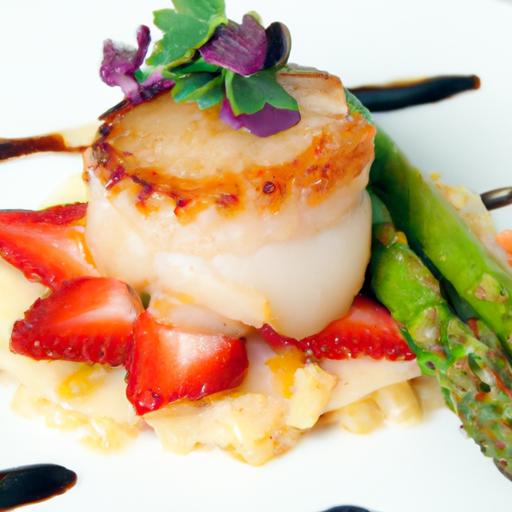

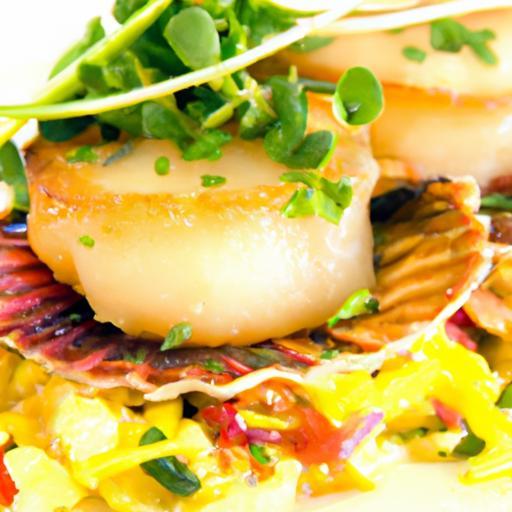
There’s something undeniably magical about a perfectly seared scallop-the golden crust that gives way to a tender, buttery center, a delicate balance of texture and flavour that feels like a small culinary triumph with every bite. Yet, achieving that flawless sear can be elusive, leaving many home cooks frustrated or resigned to lackluster results. Fear not: mastering the art of perfectly seared scallops is not only within reach but also incredibly rewarding. In this article, we’ll unravel the secrets behind that coveted caramelized crust, share expert tips, and guide you step-by-step to elevate yoru scallop game, ensuring you impress yourself and your guests every time.Whether you’re a seasoned chef or an keen beginner, get ready to transform these humble shellfish into a restaurant-worthy delicacy right in your own kitchen.
Master the Art of Perfectly Seared Scallops Every Time
Master the art of perfectly seared scallops every time by starting with the freshest, highest-quality shellfish, and unlocking the secrets behind a flawless golden crust paired with tender, buttery interiors.Scallops, often called the “caviar of the sea,” owe thier alluring flavor and pleasing texture to precise handling and cooking techniques passed down through generations of culinary artists. Whether you’re creating an elegant dinner party centerpiece or a rapid weeknight indulgence, this step-by-step guide will elevate your skills and confidence in the kitchen.
Prep and Cook Time
- Planning: 15 minutes
- Cooking: 10 minutes
- Total Time: 25 minutes
Yield
- Servings: 4 (approximately 6 scallops per person)
Difficulty Level
- Intermediate
Ingredients
- 24 large sea scallops (about 1¾ pounds), fresh and dry-packed
- 2 tbsp high-smoke point oil (grapeseed or avocado oil)
- 3 tbsp unsalted butter
- 2 cloves garlic, smashed
- 2 sprigs fresh thyme
- Salt and freshly ground black pepper, to taste
- Fresh lemon wedges, for serving
- Optional: chopped parsley or microgreens for garnish
Instructions: Preparing and Searing Like a Pro
- Select the finest scallops: Look for dry-packed scallops-these have not been treated with phosphates or water, giving you superior flavor and texture. Avoid any scallops that look wet or slimy.
- Clean and dry thoroughly: Remove the small side muscle (a little rectangular tab on the side) if attached. Pat each scallop completely dry with paper towels.This step is essential; moisture will steam the scallops, preventing a perfect sear.
- Season simply: Just before cooking, sprinkle scallops evenly with salt and pepper on both sides. Avoid seasoning too early to keep scallops dry.
- Heat your pan: Use a large stainless-steel or cast iron skillet over medium-high heat. Add the oil and wait until it shimmers and just begins to smoke.
- Sear the scallops: Place scallops gently in the pan, spaced comfortably apart. Resist the urge to move them for the first 2-3 minutes-you wont an undisturbed crust. Flip once the bottom is deep golden brown.
- Butter basting: Reduce the heat to medium, add butter, garlic, and thyme to the pan. Tilt the pan slightly and use a spoon to baste the scallops with the fragrant melted butter. This enriches flavor and adds gloss to the crust.
- Finish cooking: Sear the second side for 1-2 minutes until opaque and firm but still tender to the touch. Overcooking will toughen scallops, so watch closely.
- rest and serve: Remove scallops from heat and let them rest briefly on a warm plate while you prepare any sauces or garnishes. Squeeze fresh lemon juice over before serving for brightness.
Tips for Success: Elevate Every Step
- Choose dry-packed scallops: Moist scallops (wet-packed) absorb water and release it during cooking,making them difficult to sear.
- Avoid overcrowding the pan: Crowded scallops steam rather of sear. Cook in batches if needed.
- Use a thermometer: Scallops are perfectly cooked at 120°F (49°C) internal temperature.
- Butter basting: Add herbs like thyme or rosemary and garlic to the butter for enhanced aroma.
- Make ahead: Pat scallops dry and season an hour ahead, keeping them covered in the fridge to develop depth.
- Substitutions: Clarified butter can be used instead of oil and butter for more intense flavor and higher smoke point.
Serving Suggestions: Complement and Impress
Plate your scallops atop a bed of creamy risotto, mashed cauliflower, or saffron-infused polenta to contrast the caramelized crust with smooth textures. Drizzle with lemon beurre blanc, garlic herb aioli, or a vibrant mango-papaya salsa to elevate each bite. Garnish with fresh parsley, microgreens, or thin lemon zest ribbons to add freshness and color. A crisp white wine like Sauvignon Blanc or a light Chardonnay pairs beautifully to round out the dining experience.

| Nutrient | Per Serving (6 scallops) |
|---|---|
| Calories | 230 kcal |
| Protein | 30 g |
| Carbohydrates | 2 g |
| Fat | 10 g |
To explore more extraordinary seafood techniques, check out our guide on cooking lobster. For scientific insight into the magic of searing,the Food Lab’s searing science breakdown is an invaluable resource.
Q&A
Q&A: Master the Art of Perfectly Seared Scallops Every Time
Q1: What makes a scallop perfect for searing?
A1: The secret lies in freshness and size. Fresh scallops should smell like the ocean-briny but not fishy. Opt for dry-packed scallops rather than those soaked in water; they sear better and achieve that coveted golden crust. Medium-sized,uniform scallops ensure even cooking and a flawless finish.
Q2: Why is drying scallops before cooking so critically important?
A2: Its all about moisture control.Excess surface water causes scallops to steam instead of sear, robbing you of that lovely caramelized crust. Pat each scallop thoroughly with paper towels-think of it as prepping a blank canvas for the searing masterpiece.
Q3: What’s the ideal pan and heat level for searing scallops?
A3: Choose a heavy-bottomed skillet-cast iron or stainless steel are stellar choices-for consistent heat distribution. Heat it on medium-high until it’s screaming hot but not smoking. This searing sweet spot locks in juices and creates that signature golden shell.
Q4: How much oil or fat should I use?
A4: Just enough to coat the pan in a thin, shimmering layer-about one to two tablespoons. Use high smoke point oils like grapeseed, avocado, or clarified butter. This prevents burning and promotes even browning, turning your scallops into miniature golden treasures.
Q5: How long should I sear scallops on each side?
A5: Timing is everything. Sear scallops about 1.5 to 2 minutes per side, depending on size.Resist the urge to move or flip them too soon; patience allows that luscious crust to form. When they release easily from the pan and boast a deep caramel hue, they’re ready for a perfect flip.
Q6: Should I season scallops before or after searing?
A6: A light sprinkle of salt and pepper before searing enhances natural sweetness. For delicate herbs or finishing touches like lemon zest, save those for after cooking to maintain their brightness.
Q7: How can I tell when scallops are perfectly cooked?
A7: Cooked scallops feel firm yet springy to the touch and radiate a subtle sweet aroma. Inside,they should be opaque with a slightly translucent center-not rubbery or mushy. A quick poke or slight press will reveal their ideal texture.
Q8: Any pro tips for elevating seared scallops?
A8: Absolutely! Finish with a squeeze of fresh citrus or a drizzle of browned butter to amplify flavor. Pair with complementary sides like vibrant pea purée, crispy pancetta, or a fresh herb salad to make the dish pop. And remember, simplicity is the soul of elegance-let the scallops shine.
Q9: Can I sear frozen scallops?
A9: it’s best to avoid it. Thaw frozen scallops completely and pat dry before searing. Attempting to sear partially frozen scallops results in uneven cooking and a soggy texture,stealing the magic from your plate.
Q10: What common mistakes should I avoid when searing scallops?
A10: Overcrowding the pan chops the heat, leading to steaming instead of searing. Flip scallops only once to protect that glorious crust. And don’t skip the drying step-it’s the unsung hero of perfect searing.
Mastering seared scallops is part science, part art-and with these tips, every bite promises a crisp, buttery, melt-in-your-mouth experience worthy of any gourmet table. Bon appétit!
Insights and Conclusions
With these tips and techniques in your culinary toolkit, perfectly seared scallops are no longer a fleeting achievement but a deliciously consistent reality. Each golden crust and tender center is a testament to your growing mastery,turning simple seafood into a gourmet experience. So,next time you hear the sizzle,know that you’re not just cooking scallops-you’re crafting edible art,one flawless sear at a time. Happy cooking!