
Ther’s a simple magic in a bowl of perfectly cooked couscous-each tiny grain tender, separate, and light as a whisper. Yet, mastering couscous can feel elusive, as if those delicate granules hold their secrets close. Whether your a seasoned home cook or just beginning your culinary journey, unlocking the art of fluffy, perfect couscous transforms an ordinary meal into an exceptional experience. In this article, we’ll dive into the science and techniques behind those effortlessly airy grains, revealing tips and tricks that elevate couscous from humble staple too culinary star. Prepare to discover the secret steps that will make your couscous both a delight to behold and savor.
Mastering couscous is an art that begins with selecting the perfect type of grain and continues through the delicate balance of hydration, fluffing, and thoughtful flavor infusions. Whether you’re preparing a fast weeknight side or an elaborate North African-inspired feast, understanding these essential steps will ensure your couscous boasts a light, tender texture that’s bursting with flavor.
Prep and Cook Time
Readiness: 5 minutes
Cooking: 10 minutes
total Time: 15 minutes
Yield
Serves 4 as a side dish
Difficulty Level
Easy - perfect for beginners eager to master this versatile grain
Ingredients
- 1 cup fine or medium-grain couscous
- 1 cup boiling water or low-sodium vegetable broth
- 1 tbsp olive oil or melted unsalted butter
- ½ tsp fine sea salt
- Optional: zest of ½ lemon or a pinch of ground cumin for flavor infusion
Instructions
- Select your couscous: Fine couscous yields the classic fluffy texture, while medium grain offers a slightly chewier bite. For heartier dishes, consider whole wheat couscous.
- Boil the liquid: Bring the water or broth, olive oil (or butter), and salt to a rolling boil in a saucepan. Adding broth enriches flavor and visual appeal.
- Hydrate the couscous: instantly pour the boiling liquid over the couscous in a heatproof bowl. Stir gently just once to combine, then cover tightly with plastic wrap or a lid.
- Let it steam: Allow the couscous to absorb the liquid undisturbed for 5-7 minutes. This patient step unlocks the ideal water to grain ratio, ensuring perfectly tender grains.
- Fluff to perfection: Using a fork, gently tease apart the grains, lifting and fluffing to separate clumps. This technique is key to that light, airy texture and helps prevent sogginess.
- Enhance with flavor: Fold in freshly chopped herbs, toasted pine nuts, or a squeeze of fresh lemon juice to elevate the dish with vibrant notes that awaken your palate.
Tips for success
- use broth instead of water for a richer base and intriguing flavor depth.
- Never stir couscous excessively after adding hot liquid; gentle minimal stirring prevents gummy texture.
- For nutty complexity, toast dry couscous grains lightly in a dry skillet before hydrating.
- Store leftover couscous in an airtight container for up to 3 days and reheat with a splash of broth to revive fluffiness.
- Add a pinch of saffron or smoked paprika in the steaming liquid for an aromatic twist that dazzles visually and on the palate.
Serving Suggestions
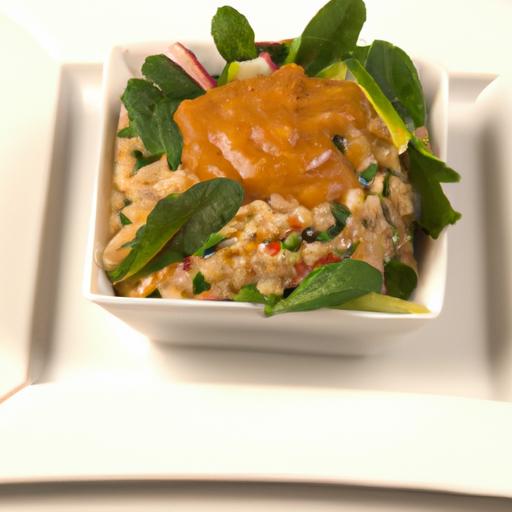
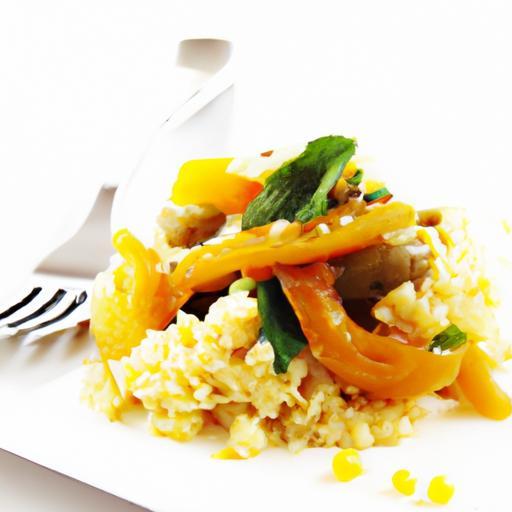
Couscous shines as a versatile base or side. Present it beside grilled meats or roasted vegetables,then finish with a sprinkle of toasted almonds,fresh chopped parsley,and a drizzle of zesty preserved lemon vinaigrette. For vegetarian dishes, toss with roasted chickpeas, caramelized onions, and pomegranate seeds to create a dazzling medley of textures and colors. The secret lies in thoughtful garnishes that boost both flavor and visual appeal.

| Nutrient | Per Serving |
|---|---|
| Calories | 180 |
| Protein | 6g |
| Carbohydrates | 36g |
| Fat | 3g |
For further tips on grain-based dishes that enhance your culinary repertoire,explore our perfect Quinoa Recipes. To dive deeper into couscous origins and varieties, visit the Encyclopedia Britannica entry on couscous.
Q&A
Q&A: Mastering Couscous - The Secret to Fluffy, Perfect Grains
Q1: What makes couscous so special compared to other grains?
A1: Couscous is like the culinary chameleon of the grain world-light, quick-cooking, and incredibly versatile. its tiny granules have a unique ability to soak up flavors while remaining delightfully fluffy, making it the perfect canvas for a myriad of global dishes from North African tagines to Mediterranean salads.
Q2: Why do some couscous dishes turn out sticky or clumpy?
A2: Ah, the curse of sticky couscous! This usually happens when the grains are overwhelmed by too much water or stirred excessively during cooking. Couscous needs just enough moisture to steam and swell gently. Over-soaking or vigorous stirring breaks the delicate granules, turning them into a gummy mess.
Q3: How do I achieve that coveted light and fluffy texture?
A3: The secret lies in the steaming technique.Start by pouring boiling salted water or broth over the couscous-just enough to cover it. Cover tightly and let it steam undisturbed for about 5 minutes. Then, fluff gently with a fork to separate the grains. This gentle steam bath plumps the couscous without drowning it.
Q4: Can I enhance the flavor of couscous while cooking?
A4: Absolutely! couscous is a flavor sponge waiting to happen. Swap plain water for aromatic broth (vegetable, chicken, or beef), add a pinch of saffron, a dash of cumin, or even a splash of citrus juice to the steaming liquid. Toss in toasted nuts or fresh herbs after fluffing for an extra layer of taste and texture.
Q5: is there a difference between Moroccan, Israeli, and Lebanese couscous?
A5: Definitely! Moroccan couscous is the smallest and most common, known for its quick steaming method. Israeli couscous, or pearl couscous, features larger, rounder pearls that require boiling and have a chewier texture. Lebanese couscous falls in between, often toasted before cooking for a nutty flavor.Each variety offers unique culinary opportunities.
Q6: How can I store cooked couscous without losing its fluffy charm?
A6: Store your couscous in an airtight container in the fridge. To revive its fluffiness before serving, sprinkle a few drops of water and give it a quick steam or microwave burst, then fluff with a fork. Avoid dense packing to prevent clumping.
Q7: What are some creative ways to serve couscous beyond the conventional?
A7: Couscous loves to mingle! Use it as a base for vibrant grain bowls loaded with roasted veggies, grilled proteins, and fresh herbs. Stir it into soups for added heartiness,or sweeten it with cinnamon,nuts,and dried fruit for a Moroccan-inspired dessert. The possibilities are as endless as your imagination.
Q8: Any final tips to become a couscous connoisseur?
A8: Patience and respect go a long way. Treat couscous delicately, honor the steaming process, and don’t rush the fluffing. Experiment boldly with spices and mix-ins. Soon, you’ll unlock the simple magic that transforms humble grains into an irresistible, fluffy delight worthy of every table.
Future Outlook
Mastering couscous is less about luck and more about understanding the subtle dance between steam, moisture, and patience. with these secrets in hand, those tiny grains transform from humble staples into fluffy clouds that elevate every dish they touch. So next time you prepare couscous, remember: perfection lies in the details, and every bite is a small party of technique meeting tradition. Embrace the process, savor the results, and let your newfound mastery turn simple couscous into an unforgettable culinary experience.