
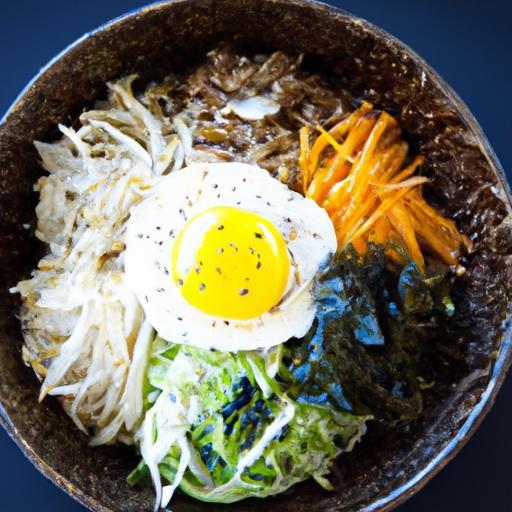
In the vibrant tapestry of Korean cuisine, few dishes capture the heart and palate quite like dolsot bibimbap. This flavorful classic isn’t just a meal-it’s an experience, where hot stone meets fresh ingredients in a sizzling symphony of taste and texture. Mastering dolsot bibimbap means unlocking the secrets of perfectly crisped rice, artfully arranged vegetables, and a harmonious blend of spicy gochujang that awakens the senses. Weather you’re a seasoned foodie or a curious home cook, this guide will take you step-by-step through the traditions and techniques that transform humble ingredients into a feast that’s as nourishing as it is indeed unforgettable. Prepare to dive into the warm, colorful world of Korea’s beloved culinary treasure.
Mastering Dolsot Bibimbap: A Flavorful Korean Classic Recipe
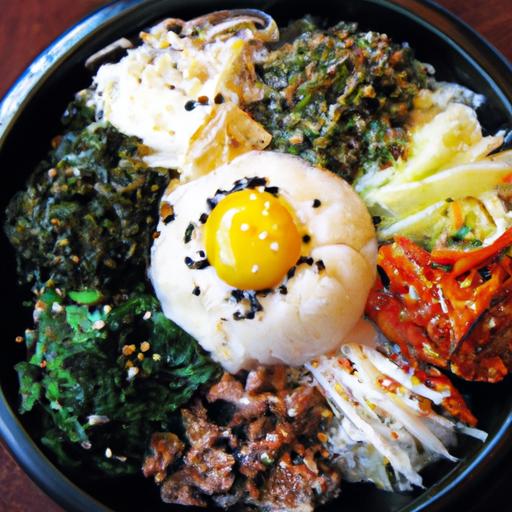
Mastering Dolsot Bibimbap unlocks an unforgettable journey of vibrant colors, textures, and intricate flavors that are the heart of Korean cuisine. This sizzling stone bowl delight, with its hallmark crispy rice crust and perfectly balanced sauce, tells a story of heritage and culinary artistry that has captivated taste buds worldwide. Whether you’re drawn by the mouthwatering sizzle or the harmony of fresh vegetables, tender marinated beef, and spicy-sweet sauce, this recipe will guide you through making an authentic, visually stunning dish right at home.
Prep and Cook Time
- Preparation Time: 30 minutes
- Cooking Time: 25 minutes
- Total Time: 55 minutes
Yield
- 4 servings
Difficulty Level
- medium
Ingredients
- For the Bibimbap:
- 2 cups short-grain white rice, cooked and steamed
- 1/2 lb ground beef or thinly sliced beef ribeye
- 1 medium carrot, julienned
- 1 zucchini, julienned
- 1 cup spinach, blanched and squeezed dry
- 4 shiitake mushrooms, sliced
- 1/2 cup bean sprouts, blanched
- 2 cloves garlic, minced
- 4 large eggs
- 2 tbsp vegetable oil
- Sesame seeds, for garnish
- 2 tsp toasted sesame oil
- For the Marinade and Sauce:
- 3 tbsp gochujang (Korean red chili paste)
- 1 tbsp soy sauce
- 1 tbsp sugar
- 1 tbsp rice vinegar
- 1 tbsp water
- 1 tsp sesame oil
- 1 tsp minced garlic
- 1 tsp toasted sesame seeds
Instructions
- Prepare the Rice: Cook the short-grain rice according to package instructions. for the best crispy bottom,let it rest and slightly dry,as too much moisture prevents the crust from forming.
- Marinate the Beef: Combine the beef with 1 tbsp soy sauce, 1 tsp minced garlic, and a pinch of sugar. Let it marinate for 15 minutes.
- Cook the Vegetables: Heat 1 tbsp vegetable oil in a skillet over medium heat. Sauté the carrots and zucchini separately untill tender but still crisp, about 3-4 minutes each. Lightly season with salt and set aside. Sauté shiitake mushrooms in the same pan until golden.
- Sauté the Ground Beef: Using medium-high heat, cook the beef until browned and cooked through, about 5 minutes. Break it up into small pieces as it cooks.
- blanch and Season Spinach & Bean Sprouts: Quickly blanch spinach and bean sprouts in boiling water for 1 minute,then shock in ice water. Drain and squeeze out excess water. Toss spinach with 1 tsp sesame oil and a pinch of salt.
- Make the Bibimbap Sauce: In a small bowl, whisk together gochujang, sugar, rice vinegar, water, sesame oil, minced garlic, soy sauce, and toasted sesame seeds until smooth and balanced between heat, sweetness, and umami.
- Create the Crispy Rice Bottom: Heat the dolsot (stone bowl) over medium-high heat for 3 minutes. Add 1 tbsp vegetable oil, swirling to coat the inside. Add 1/2 cup cooked rice and press down gently to cover the bottom thinly and evenly. Reduce heat to medium-low and cook until the rice forms a golden-brown crust, about 5-7 minutes.
- Assemble the Bibimbap: Layer the remaining rice over the crispy base in the dolsot. Arrange sautéed vegetables, beef, and blanched greens in sections on top, creating a colorful canvas. Crack an egg gently over the center.
- Cook the Egg: Cover the dolsot with a lid and cook for 2-3 minutes or until the egg white is just set but the yolk remains runny.
- Serve and Mix: Present the sizzling hot bowl on a trivet. Drizzle 1-2 tbsp of the bibimbap sauce over the top and garnish with toasted sesame seeds. Mix everything thoroughly at the table, scraping the crispy rice crust from the sides for a perfect bite every time.
Chef’s Notes & Tips for Success
- Rice Consistency: Use freshly cooked rice that’s cooled enough to handle but not dry.Avoid leftovers that are too wet.rinse rice twice before cooking to improve texture.
- Dolsot Alternatives: If you don’t have a stone bowl, a heavy-bottomed cast iron skillet can approximate the crispy effect.
- Sauce Tweaks: Adjust gochujang according to your spice tolerance, or add a teaspoon of honey for added depth.
- Advance Prep: Sauté vegetables and prepare the sauce several hours ahead. Refrigerate and reheat components gently before assembling.
- Egg Variations: Try a fried egg instead of cracked raw, or swap for a soft-boiled egg if preferred.
- Vegetarian Version: Substitute beef with tofu marinated in soy sauce and a touch of sesame oil,then pan-seared until crispy.
Serving Suggestions
Serve dolsot bibimbap straight from the sizzling bowl for maximum visual impact. Complement with a side of kimchi, pickled radish, or miso soup for a complete Korean dining experience. Garnish with thinly sliced nori strips, scallions, and a sprinkle of toasted sesame seeds. Encourage diners to mix thoroughly, savoring the interplay of textures-from the crisped rice base to the silky egg yolk and fresh vegetables. Pair it with cold barley tea or a light Korean beer for a truly authentic meal.

| Nutrient | Per Serving |
|---|---|
| Calories | 520 kcal |
| Protein | 28 g |
| Carbohydrates | 60 g |
| Fat | 15 g |
For more Korean classics and inspirations,explore our kimchi Jjigae recipe and deepen your culinary journey. Further deepen your understanding of traditional gochujang and its role in the sauce by visiting Serious Eats on Gochujang.
Q&A
Q&A: Mastering Dolsot Bibimbap – A Flavorful Korean Classic Recipe
Q1: What exactly is Dolsot Bibimbap?
A1: dolsot Bibimbap is a beloved Korean dish that translates to “mixed rice in a stone pot.” Served sizzling hot in a dolsot (stone bowl), it features warm rice topped with a vibrant mosaic of sautéed vegetables, seasoned meat, a fried egg, and a dollop of spicy gochujang sauce. The magic lies in the crispy golden crust that forms at the bottom,lending a delightful texture and nutty flavor.
Q2: Why cook bibimbap in a stone pot instead of a regular bowl?
A2: The stone pot, or dolsot, retains heat exceptionally well, allowing the rice to continue cooking after being mixed with toppings. This creates the coveted “nurungji” – the crispy, caramelized rice crust. Eating bibimbap straight from the dolsot keeps your meal warm longer and elevates the sensory experience with its satisfying crunch and aroma.
Q3: What are the essential ingredients for an authentic Dolsot Bibimbap?
A3: At its core, Dolsot Bibimbap balances rice, an array of colorful vegetables (think: julienned carrots, spinach, bean sprouts, shiitake mushrooms, and zucchini), seasoned beef or other protein, a fried egg, and a generous spoonful of gochujang (Korean chili paste). Sesame oil and toasted sesame seeds add aromatic depth, while garlic and soy sauce boost the savory profile.Q4: How do you prepare the perfect crispy rice crust?
A4: Achieving the perfect crust begins with greasing the stone pot generously with sesame or vegetable oil before adding the cooked rice. Once the rice is spread evenly, the pot is heated over medium heat. As the stone pot simmers, the rice at the bottom crisps up slowly – patience is key! The crust should be golden brown, aromatic, and just crispy enough to offer a delightful textural contrast.
Q5: Can Dolsot Bibimbap be made vegetarian or vegan?
A5: Absolutely! Substitute the beef with tofu, tempeh, or mushrooms for earthy richness. Use a fried or scrambled plant-based egg alternative, or simply omit the egg. Ensure your gochujang is vegan (some varieties contain fermented fish). Pile on an abundance of fresh, sautéed veggies and toasted nuts or seeds to keep the dish hearty and satisfying.Q6: What’s the best way to eat Dolsot Bibimbap?
A6: The fun lies in mixing! spoon in the gochujang, drizzle with a bit of sesame oil, then vigorously stir until every grain of rice and vegetable is coated in color and flavor. Use a sturdy spoon to scoop from the bottom, ensuring you get some crispy crust in every bite. The intermingling of textures and tastes makes each mouthful a delightful adventure.
Q7: Any tips for beginners attempting Dolsot Bibimbap at home?
A7: Start by prepping all your ingredients ahead of time-mise en place is your friend! Don’t rush the vegetable sautéing; each should retain its texture and flavor.Use medium-stiff rice to achieve the right chewiness. When heating the dolsot, moderate the flame to prevent burning.Lastly, experiment with your gochujang intensity to find your perfect spice balance.
Q8: How does Dolsot Bibimbap reflect Korean culture?
A8: Dolsot Bibimbap is a culinary symbol of harmony, blending diverse ingredients into one cohesive dish-a metaphor for balance and community in Korean culture. traditionally served in communal settings, it encourages sharing and warmth. the stone pot’s enduring heat mirrors the Korean spirit of resilience and hospitality.
Mastering Dolsot bibimbap invites you to savor not just a meal but a culturally rich, multi-sensory experience. Ready to embrace the sizzle, crunch, and vibrant colors of this Korean classic? Your stone pot awaits!
In Retrospect
As you’ve discovered, mastering dolsot bibimbap is more than just assembling ingredients-it’s about orchestrating a symphony of textures and flavors that celebrate Korean culinary artistry. from the crisp, golden layer of nurungji to the vibrant medley of seasoned vegetables and spicy gochujang, each bite tells a story steeped in tradition and comfort. Whether you’re a seasoned cook or a curious foodie,embracing this flavorful classic invites you to savor not only a meal but a cultural experience that delights both the palate and the soul. So gather your dolsot, ignite your stove, and let each sizzling bite bring you one step closer to mastering this beloved Korean masterpiece.