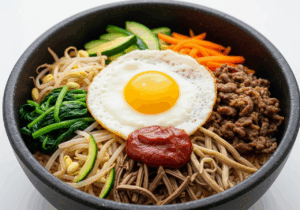

There’s a certain magic in the sizzle of rice meeting a hot stone bowl, a symphony of textures and flavors that dance together in perfect harmony. Dolsot Bibimbap isn’t just a meal-it’s an experience, a vibrant tapestry of fresh vegetables, savory marinades, and that irresistible crispy rice crust known as nurungji. Whether you’re a seasoned home cook or a curious food adventurer, mastering this iconic Korean dish opens a window into a centuries-old culinary tradition. In this step-by-step recipe guide, we’ll unravel the secrets behind crafting the perfect dolsot Bibimbap, from selecting the freshest ingredients to achieving that coveted crunchy finish. Get ready to bring a sizzling bowl of warmth, color, and flavour to your table-one bite at a time.
Mastering Dolsot Bibimbap begins with the thoughtful selection of each ingredient, as this iconic Korean dish thrives on the harmony of fresh, vibrant components combined with texture and bold flavors. Originating from the Jeonju region, known as the cradle of bibimbap, this hot stone bowl version adds an irresistible crispy rice layer that elevates its rustic charm. Through authentic preparation techniques,each vegetable and sauce plays a starring role,culminating in a visually stunning and deeply satisfying meal.
Prep and Cook Time
Preparation: 30 minutes | Cooking: 25 minutes | Total: 55 minutes
Yield
Serves 4 hearty portions
difficulty Level
Medium – requires some ingredient prep and attention to layering
Ingredients
- 2 cups short-grain white rice, rinsed and soaked for 30 minutes
- 4 cups water
- 1 cup spinach, blanched and squeezed dry
- 1 cup bean sprouts, blanched
- 1 medium carrot, julienned
- 1 medium zucchini, julienned
- 200g shiitake mushrooms, sliced
- 200g thinly sliced beef ribeye or sirloin
- 2 cloves garlic, minced
- 3 tbsp soy sauce, divided
- 1 tbsp sesame oil, divided
- 1 tbsp vegetable oil
- 1 tsp sugar
- 1 tsp toasted sesame seeds
- 4 large eggs
- Gochujang (Korean chili paste), to taste
- Scallions, thinly sliced for garnish
- Kimchi, for serving
- 1 dolsot (hot stone bowl) or heavy-bottomed cast iron bowl
Instructions
- Cook the Rice: Drain the soaked rice and place it in a rice cooker with 4 cups water. Cook until tender. For extra crispiness,sprinkle a small amount of sesame oil over the bottom of the dolsot before adding the rice.
- Prepare Vegetables: Blanch spinach and bean sprouts separately in boiling water for 1-2 minutes, then rinse in cold water, squeeze excess moisture, and season each lightly with 1 tsp soy sauce and 1/2 tsp sesame oil.
- Sauté Carrots and Zucchini: Heat 1 tbsp vegetable oil in a pan over medium heat. Sauté carrots until slightly softened, about 3 minutes, then remove. Repeat with zucchini, seasoning each with a pinch of salt.
- Cook Mushrooms: In the same pan,add a dash of oil and sauté shiitake mushrooms with minced garlic and 1 tsp soy sauce until tender and fragrant,about 5 minutes.
- Prepare Beef: Marinate beef slices with 1 tbsp soy sauce,1 tsp sugar,1 minced garlic clove,and 1/2 tsp sesame oil for 10 minutes. Cook over medium-high heat until browned and cooked through, about 4 minutes. Set aside.
- Heat the Dolsot: Place the stone bowl over medium heat for 3-5 minutes. Add a thin layer of sesame oil to the bottom to promote crust formation.
- Layer the Rice: Spoon the warm rice into the dolsot, pressing gently to distribute evenly. The hot bowl will create a delicate, golden crust known as nurungji. Let it cook for 2-3 minutes on low heat before adding toppings.
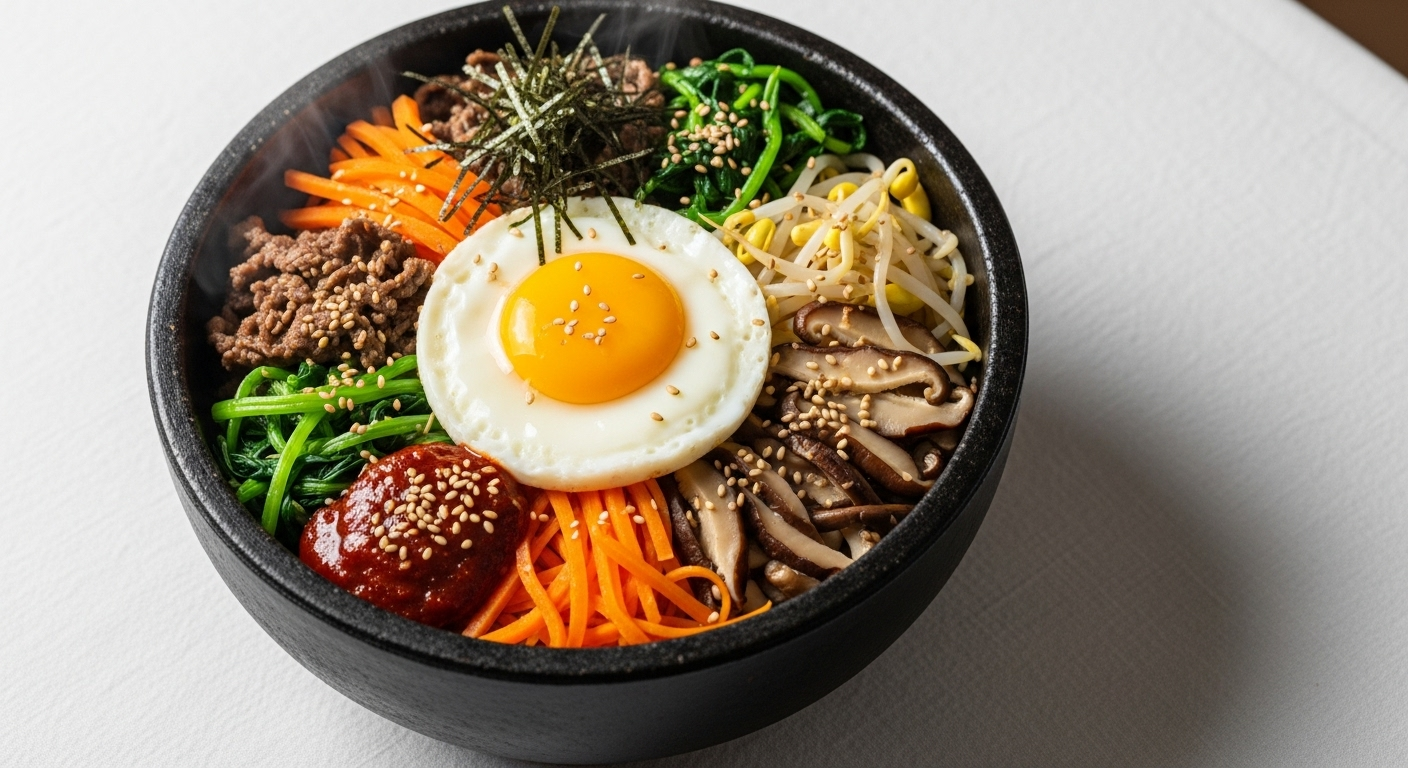
- Arrange Toppings: Artistically place the spinach, bean sprouts, carrots, zucchini, mushrooms, and beef around the bowl in sections, creating a colorful mosaic. Crack an egg on top (sunny side up is customary).
- Cook the Egg: Cover the dolsot briefly to cook the egg whites slightly, about 1-2 minutes.
- Serve with Gochujang: Serve immediately with a dollop of gochujang on the side and garnish with toasted sesame seeds and scallions.
Tips for Success
- Rice Crispiness: Do not rush the sizzling stage in the hot stone bowl. Let the oil and heat form a consistent golden crust without burning.
- Vegetable Prep: Keep each vegetable component distinct by seasoning them lightly before assembly – this ensures balanced flavor in every bite.
- Protein Choice: Try alternatives such as tofu or grilled chicken for variation, marinating with the same soy-sesame-garlic mixture.
- Make-Ahead: Prep veggies and marinade beef up to a day ahead for speedier assembly.
- Cleaning Dolsot: After cooking, soak the dolsot in warm water and scrub gently with a brush to preserve its integrity.
- Layering Aesthetic: Arranging ingredients in neat, colorful sections not only delights the eye but helps maintain distinct textures on the palate.
Serving Suggestions
Elevate your Dolsot Bibimbap presentation by serving it steaming hot in the stone bowl on a wooden trivet. Accompany with crisp kimchi and a side of mild mung bean jelly salad. Encourage diners to mix the bowl thoroughly, blending the crispy rice, juicy beef, tender vegetables, and fiery gochujang for the harmonious flavors Korean cuisine celebrates.Garnish with extra toasted sesame seeds and finely sliced scallions to add vibrant contrast and aroma.

| Nutrient | Amount per Serving |
|---|---|
| Calories | 580 kcal |
| Protein | 28 g |
| Carbohydrates | 75 g |
| Fat | 14 g |
For deeper insight into Korean cuisine techniques, visit Maangchi’s Korean Cooking. Explore other Korean classics like Korean Banchan Guide linked on our site for a complete table experience.
Q&A
Q&A: Mastering Dolsot Bibimbap – A Step-by-Step Recipe Guide
Q1: what exactly is Dolsot Bibimbap?
A: Dolsot Bibimbap is a beloved Korean dish that means “stone pot mixed rice.” It features steamed rice, an array of colorful vegetables, marinated proteins, a fried egg, and spicy gochujang sauce, all served sizzling in a hot stone bowl (dolsot). The intense heat crisps the rice at the bottom, creating a appetizing, crunchy crust called nurungji that adds texture and flavor.
Q2: Why use a stone pot for Bibimbap? Can’t I use a regular bowl?
A: While you can prepare Bibimbap in any bowl, the stone pot is iconic for a reason. Its thick, heat-retaining walls sear the rice, enhancing aroma and taste. The crispy layer formed at the base is virtually unfeasible to replicate in a regular bowl and brings a whole new dimension to the experience – think of it as the dish’s signature crunch!
Q3: What are the essential ingredients for authentic Dolsot Bibimbap?
A: the beauty of Bibimbap lies in its vibrant medley of ingredients, typically including:
- Steamed short-grain rice
- spinach, bean sprouts, mushrooms, carrots, and zucchini (lightly sautéed or blanched)
- Marinated beef bulgogi or tofu for vegetarians
- A fried or raw egg (sunny side up or yolk intact)
- Gochujang (spicy Korean chili paste)
- Sesame oil and toasted sesame seeds for garnish
Q4: How do I prepare the vegetables for the best Bibimbap texture?
A: Each vegetable deserves its spotlight. Blanch or sauté each one individually, seasoning lightly with salt and sesame oil to preserve its natural flavors. Retaining slight crispness provides contrasting textures and keeps the dish lively on the palate.
Q5: How hot shoudl the stone pot be before adding the rice?
A: Preheat the stone pot over medium heat for about 5 minutes until it’s sizzling but not smoking. Adding a splash of sesame oil before the rice is key – it prevents sticking and helps generate that coveted crispy crust once the rice hits the pot.Q6: What’s the secret to the perfect crispy rice crust?
A: Patience and temperature control! Once the rice is in the heated pot with a layer of sesame oil beneath, press it down gently and keep the heat steady (medium-low) for about 10-15 minutes. Avoid stirring or moving the rice during this time to let the crust form evenly.
Q7: How should I assemble the Bibimbap inside the dolsot?
A: After the rice crust forms, carefully layer the sautéed vegetables and protein on top in colorful piles – think of it like edible art. Add the fried egg on center stage, and drizzle gochujang and a little sesame oil over the top.
Q8: How do I eat Dolsot Bibimbap?
A: The fun begins at the table! Before digging in,mix everything vigorously with a spoon so the gochujang coats every bite. Be careful with the hot stone – it retains heat for a while.Enjoy the contrast between the soft, savory mix and the crisp, golden rice crust at the bottom.
Q9: Can I customize the recipe for dietary restrictions?
A: Absolutely! Dolsot Bibimbap is a versatile dish. Use tofu, mushrooms, or tempeh rather of beef to keep it vegetarian.Swap gochujang for a milder sauce if you prefer less heat. The key is balancing flavors, textures, and colors – so feel free to get creative!
Q10: Any pro tips to elevate my Dolsot Bibimbap game?
A: Here are a few:
- Use freshly cooked rice for the best crust formation. Leftover rice tends to dry out.
- Toast your own sesame seeds to boost aroma.
- Experiment with different veggies or proteins seasonally to keep the dish exciting.
- Serve with a side of kimchi for a complementary zing and traditional Korean twist.
Mastering Dolsot Bibimbap is not just about cooking-it’s about embracing a ritual of layering flavors and textures that celebrate Korean culinary heritage. with practice,you’ll soon create your own sizzling masterpiece!
Wrapping Up
As you’ve discovered,mastering dolsot bibimbap is more than just following a recipe-it’s an artful journey into the heart of Korean tradition. From the careful layering of vibrant vegetables to the satisfying sizzle of the crispy rice crust, each step invites you to savor both technique and flavor. Armed with this step-by-step guide, you’re now ready to bring the warm, comforting essence of dolsot bibimbap to your own table. Whether it’s a weeknight dinner or a special occasion, this iconic dish promises a feast for the senses and a taste of Korea’s rich culinary heritage in every bite. So grab your stone pot, gather your freshest ingredients, and let the delicious adventure begin.