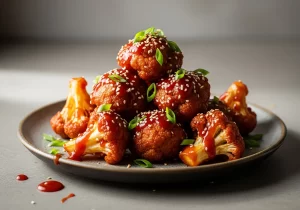

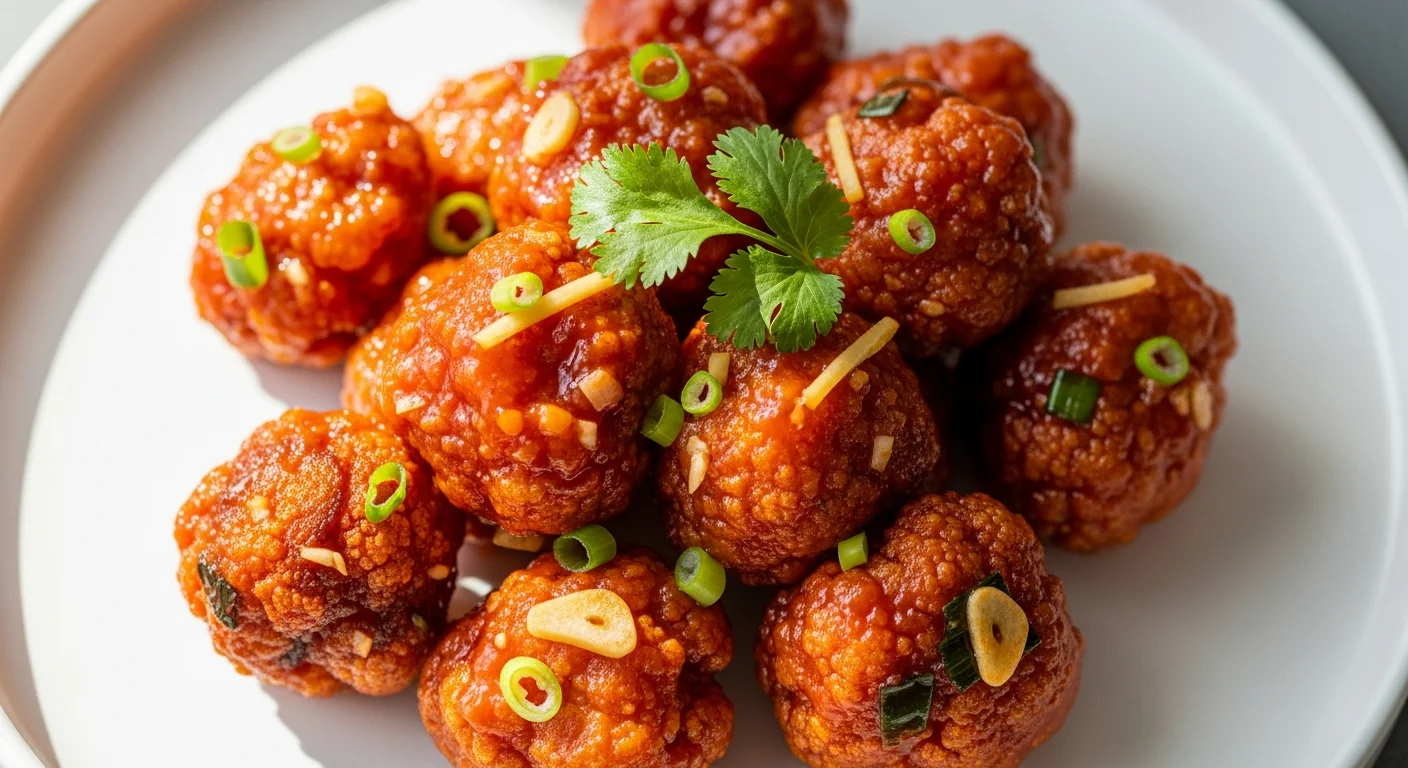
In the vibrant tapestry of indo-Chinese cuisine, few dishes capture the perfect harmony of bold flavors and crispy textures quite like Gobi Manchurian.This beloved delicacy transforms humble cauliflower into a sizzling symphony of spice, tang, and umami, embodying the ingenious fusion of Indian ingredients with Chinese cooking techniques. Whether you’re a culinary adventurer eager to explore new tastes or a home cook seeking to elevate your dinner repertoire, mastering Gobi Manchurian promises a rewarding journey into the heart of a flavorful, irresistible delight. Let’s unravel the secrets behind this iconic dish and discover how you can recreate its mouthwatering magic in your own kitchen.
Mastering Gobi Manchurian begins with an recognition for its rich cultural tapestry-a vibrant fusion of Chinese culinary techniques and Indian flavors that came to life in the bustling streets of India’s Indo-chinese culinary scene. This iconic dish, a crispy cauliflower delight bathed in a tangy, spicy sauce, tells a story of innovation and cross-cultural exchange.From the golden,crunchy florets to the glossy,umami-packed sauce,every bite reveals layers of history and harmony between two distinct cooking traditions.
prep and Cook time
- Readiness Time: 20 minutes
- Cooking Time: 25 minutes
Yield
Serves 4 as an appetizer or side dish
Difficulty Level
Medium – Requires basic frying and sauce preparation skills
Ingredients
- 1 medium head of cauliflower, broken into bite-sized florets
- 1 cup all-purpose flour, sifted
- ½ cup cornstarch
- 1 tsp baking powder
- 1 tsp chili powder
- Salt, to taste
- ¾ cup water, adjust for batter consistency
- Oil, for deep frying
- 2 tbsp vegetable oil (for sautéing sauce)
- 4 garlic cloves, finely minced
- 1 inch ginger piece, grated
- 2 green chilies, finely chopped
- 1 small onion, diced
- 1 small green bell pepper, diced
- 2 tbsp soy sauce
- 2 tbsp tomato ketchup
- 1 tbsp chili sauce (adjust to heat preference)
- 1 tsp vinegar
- 1 tsp sugar
- ¼ cup spring onions, thinly sliced (for garnish)
- Fresh coriander leaves, for garnish
Instructions
- Prepare the batter: In a large bowl, combine all-purpose flour, cornstarch, baking powder, chili powder, and salt. Gradually whisk in water to create a smooth, medium-thick batter that clings to the cauliflower without dripping excessively.
- Coat the cauliflower: Dip each cauliflower floret into the batter, ensuring an even coat, then gently shake off excess.
- Deep-fry the florets: Heat oil in a deep pan over medium-high heat. Fry the battered cauliflower in batches until golden brown and crispy-about 4-5 minutes-removing with a slotted spoon and draining on paper towels.
- Create the sauce base: In a separate wok or skillet, warm 2 tablespoons of vegetable oil over medium heat. Add the minced garlic, ginger, and green chilies, sautéing until fragrant (about 1 minute).
- Add vegetables: Toss in diced onion and green bell pepper, stirring continuously until they soften slightly but retain some crunch-roughly 2-3 minutes.
- Build the Indo-Chinese sauce: Stir in soy sauce, tomato ketchup, chili sauce, vinegar, and sugar. Allow the mixture to simmer gently until it thickens, coating the back of a spoon-approximately 3-4 minutes.
- Toss the florets: Add the fried cauliflower to the sauce, folding carefully to coat each piece entirely without compromising their crispiness.
- Garnish and serve: Transfer to a serving dish, sprinkle liberally with spring onions and fresh coriander for a burst of color and freshness.
Chef’s Notes and Tips for Success
- For the perfect crunch, ensure the batter is not too thin; it should form a firm coating around the florets.
- Double fry the cauliflower for an ultra-crisp texture: fry once until pale golden, drain, then fry again till fully crispy and deep golden.
- If you prefer a gluten-free version, substitute all-purpose flour with rice flour.
- Adjust the chili sauce quantity to calibrate heat, balancing it with the sweetness of ketchup.
- Make the batter and sauce ahead; fry the cauliflower just before serving to keep it crispy.
- For a smoky depth, add a pinch of smoked paprika or a dash of dark soy sauce to the sauce.
Serving Suggestions
This alluring dish pairs beautifully with steamed jasmine rice or fried rice to soak up the tangy sauce. Serve it alongside simple stir-fried greens or a light cucumber salad to balance the flavors. Garnish generously with thinly sliced spring onions and fresh coriander to elevate the vibrancy and aroma, inviting guests to indulge in every bite with their eyes first.

| Nutrient | Per Serving |
|---|---|
| calories | 280 kcal |
| Protein | 6 g |
| Carbohydrates | 38 g |
| fat | 10 g |
Explore more Indo-Chinese favorites like veg hakka Noodles for a complete meal experience. For a deeper understanding of global culinary fusion, check out this informative article on Chinese cuisine history.
Q&A
Q&A: Mastering Gobi Manchurian – A Flavorful Indo-Chinese Delight
Q1: what exactly is Gobi Manchurian?
A1: Gobi Manchurian is a beloved Indo-Chinese dish featuring cauliflower (“gobi”) that’s battered, fried to a crispy perfection, and then tossed in a tangy, spicy, and savory Manchurian sauce. It’s a delightful fusion that beautifully marries Indian ingredients with Chinese-inspired flavors, making it a favorite appetizer or snack across many Indian households and restaurants.
Q2: How did Gobi Manchurian originate?
A2: Gobi Manchurian emerged from the vibrant Indo-Chinese culinary tradition-a creative blend born out of the Chinese immigrant communities in India, particularly in Kolkata. By combining Indian vegetables like cauliflower with Chinese sauces and cooking techniques, chefs innovated a new, exciting taste experience that quickly captured hearts nationwide.
Q3: What makes Gobi Manchurian unique from other Manchurian dishes?
A3: While Manchurian dishes can be made with chicken, paneer, or even mushrooms, gobi Manchurian stands out as of its star ingredient-cauliflower. The cauliflower florets absorb the signature fiery, tangy sauce but retain a pleasant crunch, offering a delightful texture contrast. Plus,it’s naturally vegetarian,making it accessible to a wider audience.
Q4: What are the key ingredients to master authentic Gobi Manchurian?
A4: The magic lies in a harmonious balance: fresh cauliflower, a light yet crispy batter (usually made of all-purpose flour and cornflour), ginger-garlic paste, soy sauce, chili sauce, vinegar, and a medley of aromatics like green chilies, spring onions, and garlic. the sauce must be saucy but not soggy, with layers of sweet, tangy, and spicy notes dancing on the palate.
Q5: How can beginners ensure their Gobi Manchurian turns out crispy and not soggy?
A5: The secret is double-frying! First, coat the cauliflower florets in a well-seasoned batter and fry until golden and crisp. Drain the excess oil thoroughly before briefly tossing them in the sauce. the sauce should be thick enough to cling without drowning the gobis. Also, frying at the right temperature (around 350°F or 175°C) helps maintain that coveted crispiness.
Q6: Can Gobi Manchurian be customized for different tastes?
A6: Absolutely! For those who love extra heat, add finely chopped green chilies or a dash of chili garlic sauce. Prefer it milder? Reduce the chili quantity and enhance the sweetness slightly with a touch more ketchup or honey. Some even experiment with adding bell peppers or diced onions for crunch and color, making the dish both visually and culinarily exciting.
Q7: What are the best ways to serve Gobi Manchurian?
A7: Traditionally served hot as an appetizer or snack with a wedge of lemon and a sprinkling of chopped spring onions, Gobi Manchurian also shines as a side dish paired with fried rice or noodles. Some innovative plates transform it into a main course by layering it over steamed rice or stuffing it into wraps and buns for an Indo-Chinese fusion feast.
Q8: Why has gobi Manchurian become such a staple in Indian cuisine?
A8: It’s the perfect storm of flavors, textures, and versatility. Gobi Manchurian ticks every box: it’s vegetarian-friendly, richly flavorful, easy to prepare, and endlessly customizable. It’s also comfort food with an exotic twist-a dish that invites sharing, celebration, and exploration of cross-cultural culinary artistry.
Q9: What tips do experts suggest for elevating Gobi Manchurian at home?
A9: Use fresh cauliflower with tightly packed florets for the best texture. Don’t rush the frying process-patience leads to crunch. Balance the sauce meticulously; too much soy or chili can overpower the palate. Garnish generously with scallions and fresh coriander for that vibrant finish. And most importantly,savor the process-the best dishes are cooked with love!
Q10: Can Gobi Manchurian be a healthy option?
A10: While traditionally deep-fried,you can make lighter versions by air-frying or baking the cauliflower after battering. Adjust sauces to reduce sugar and sodium. Incorporating fresh veggies like bell peppers not only adds nutrients but also color and crunch. Paired with steamed rice or salads,Gobi Manchurian can nourish both body and soul without compromise.
Mastering Gobi manchurian means embracing a joyfully spicy culinary fusion that’s as vibrant in flavor as it is indeed in history. Whether you’re a novice cook or an experienced foodie, this dish invites you to explore, experiment, and celebrate the magic of Indo-Chinese cuisine!
In Retrospect
As the enticing aroma of Gobi Manchurian lingers in the air, mastering this iconic Indo-Chinese dish becomes more than just a culinary achievement-it’s a celebration of cultural fusion and bold flavors. From the perfect crispy cauliflower to the tangy, spicy sauce that brings it all together, each step invites you to explore new dimensions of taste and technique. Whether you’re serving it as a crowd-pleasing appetizer or a savory main course, Gobi Manchurian stands as a testament to how simple ingredients can be transformed into something unusual. So go ahead, unleash your inner chef, and let this flavorful delight add a vibrant twist to your kitchen repertoire. The journey to mastering Gobi Manchurian is as rewarding as the dish itself-savor every moment!