
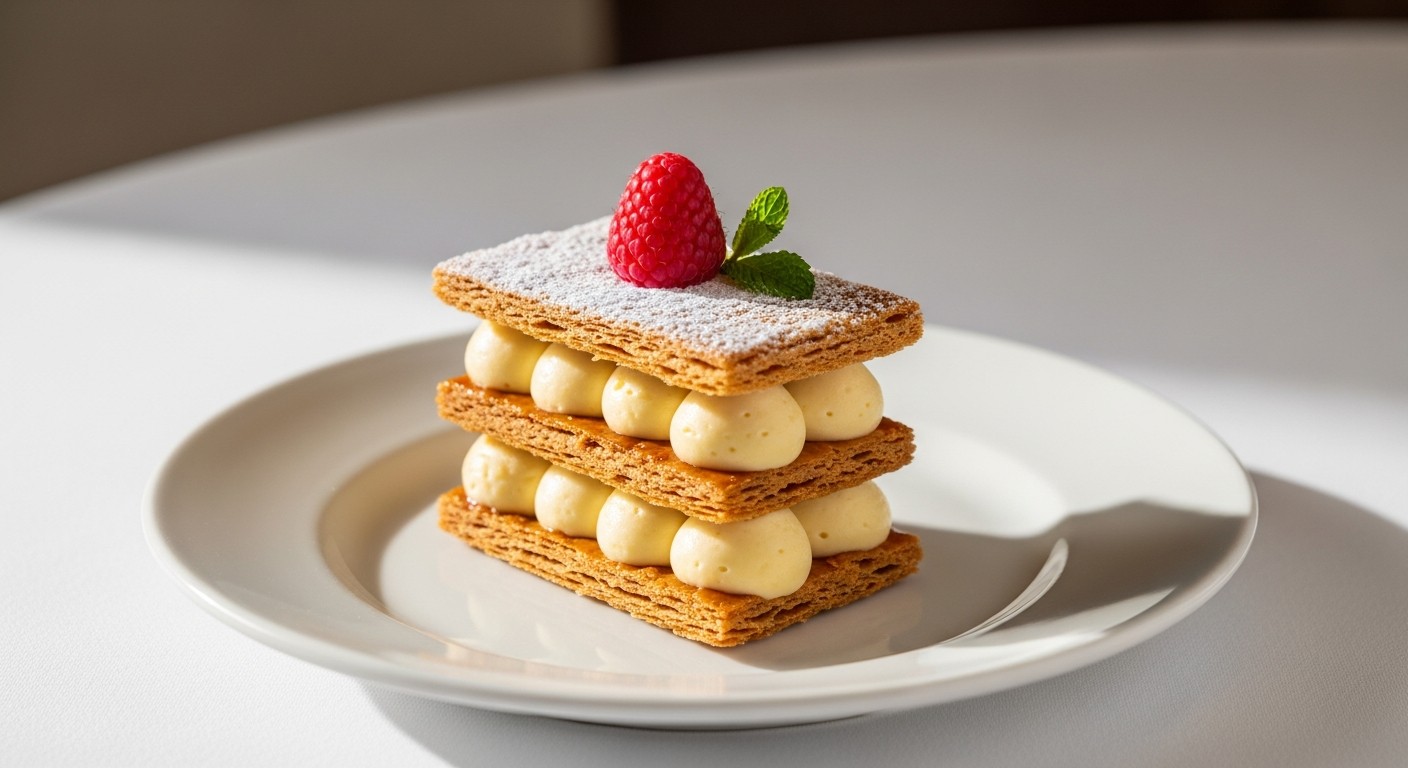
Few pastries embody elegance and finesse quite like the millefeuille. Known for its delicate layers of crisp, buttery puff pastry intertwined with luscious creams and jams, this French classic is both a feast for the eyes and the palate. Yet, beneath its seemingly simple appearance lies a culinary art that demands patience, precision, and passion. In this guide, we’ll unravel the secrets of mastering millefeuille-from crafting the perfect flaky layers to balancing textures and flavors-empowering you to create your own edible masterpiece that delights with every bite. Whether you’re a seasoned baker or an adventurous home cook, prepare to embark on a delicious journey through layers of buttery perfection.
Mastering Millefeuille begins with truly understanding the delicate science behind puff pastry and silky pastry cream-two elements that, when perfectly executed, create a symphony of crunch, smoothness, and sweetness in every bite. Originating from classic French patisserie, this layered dessert is a testament to patience and precision. I still remember my first attempt: flour dusted everywhere, butter barely cold enough, but the moment I bit into those crisp, buttery folds paired with luscious cream, I knew it was worth every meticulous step.
Prep and Cook Time
- Preparation: 1 hour 30 minutes (including chilling)
- Cooking: 25 minutes
- Cooling and assembly: 1 hour
Yield
Serves 6 elegantly layered portions
Difficulty Level
Advanced: Requires intermediate pastry skills and attention to detail
Ingredients
- For the Puff Pastry:
- 2 ½ cups (320 g) all-purpose flour, sifted
- 1 tsp salt
- 1 cup (225 g) unsalted butter, cold and cubed
- ¾ cup (180 ml) ice-cold water
- For the Pastry Cream:
- 2 cups (480 ml) whole milk
- 1 vanilla bean, split and scraped (or 2 tsp pure vanilla extract)
- 5 large egg yolks
- ¾ cup (150 g) granulated sugar, divided
- ¼ cup (30 g) cornstarch
- 2 tbsp (30 g) unsalted butter, room temperature
- For the glaze and Decoration:</ ul>
- ½ cup (60 g) powdered sugar, sifted
- 2 tbsp (30 ml) milk
- 2 oz (55 g) dark chocolate, melted
- Fresh berries (optional), for garnish
Instructions
- Prepare the puff pastry dough: In a large bowl, combine flour and salt. Add the cold butter cubes and use a pastry cutter or your fingers to rub the butter into the flour untill the mixture resembles coarse crumbs with some pea-sized chunks of butter remaining. This uneven texture helps form flaky layers.
- Add ice-cold water gradually, mixing gently until the dough comes together. Do not overwork; handle as little as possible.
- Shape the dough into a rectangle, wrap in plastic, and refrigerate for at least 30 minutes to firm up the butter.
- Laminate the dough: On a lightly floured surface, roll the dough into a 20×10-inch rectangle. Fold it into thirds, like a letter.Rotate 90 degrees, roll out again, and fold. Repeat this process 4-5 times, chilling the dough after every two turns to keep the butter cold.
- Bake the puff pastry: Roll out the chilled dough to about ¼ inch thickness. Cut into three equal rectangles. Dock the surface with a fork to prevent excessive puffing.Bake at 400°F (200°C) for 15-20 minutes until golden and crisp. Let cool entirely.
- Make the pastry cream: Heat the milk and scraped vanilla bean (or extract) in a saucepan until just simmering.In a separate bowl, whisk together egg yolks, half the sugar, and cornstarch until pale and smooth.
- Temper the eggs by slowly pouring hot milk into the bowl while whisking continuously, than return the mixture to the saucepan. Cook over medium heat, stirring constantly until the cream thickens and bubbles, about 2-3 minutes.
- Remove from heat and whisk in the remaining sugar and butter until smooth. transfer to a bowl,cover with plastic wrap touching the surface,and chill until fully cold.
- assemble the Millefeuille: Spread a layer of pastry cream over one puff pastry rectangle. Top with the second puff pastry sheet and repeat the layering. finish with the last pastry sheet on top.
- Glaze and decorate: Mix powdered sugar with milk to a thick glaze. Spread evenly over the top layer. While still wet, pipe thin lines of melted chocolate across the glaze. Drag a skewer through the lines in alternating directions to create the classic feathered pattern.
- Chill the assembled millefeuille to set the glaze and allow flavors to meld, about 30 minutes. Garnish with fresh berries before serving, if desired.
Tips for Success
- Chill thoroughly: Keeping butter cold throughout the dough preparation is key to creating those signature flaky layers.
- Don’t rush the lamination: Proper rolling and folding create distinct buttery sheets. If the dough becomes to soft, rest it in the fridge for 20 minutes before continuing.
- Make pastry cream a day ahead: This allows the flavors to deepen and the texture to set perfectly.
- Use a serrated knife for cutting: To maintain clean layers, slice the millefeuille gently with a sharp serrated blade to avoid crushing.
- For a lighter version: Whip some heavy cream and fold it gently into the pastry cream for a fluffy filling.
Serving Suggestions
Serve millefeuille chilled on delicate china or minimalist white plates to highlight the golden layers and contrasting cream. Add a sprig of fresh mint or scatter a handful of raspberries around the plate for a burst of color and freshness. Complement the dessert with a mild cup of earl gray tea or a sparkling glass of Champagne to elevate the experience. A dusting of edible gold leaf can also add that luxurious final flourish for special occasions.
| Nutrient | Per Serving |
|---|---|
| Calories | 420 kcal |
| Protein | 6 g |
| Carbohydrates | 45 g |
| Fat | 22 g |
Explore more classic French pastries to extend your mastering millefeuille skills. For comprehensive details on puff pastry techniques,visit the Encyclopedia Britannica’s guide to puff pastry.

Q&A
Q&A: Mastering Millefeuille – A Layered Delight Recipe Guide
Q1: What exactly is a millefeuille?
A1: millefeuille, often dubbed the “Napoleon,” is a classic French pastry that literally means “a thousand sheets.” It’s a delicate assembly of thin, flaky puff pastry layers alternating with luscious cream or custard fillings, creating a symphony of textures and flavors in every bite.
Q2: Why is millefeuille considered a challenging pastry to master?
A2: The magic of millefeuille lies in its perfect balance-crispy, airy pastry layers that don’t crumble, paired with silky, stable creams that won’t turn soggy or runny. achieving this harmony requires patience, precise technique, and a bit of baking finesse.
Q3: What type of cream is traditionally used in a millefeuille?
A3: The classic filling is a pastry cream,also known as crème pâtissière-a rich,velvety custard made from milk,eggs,sugar,and vanilla,sometimes enriched with butter for an extra smooth finish.Some variations include whipped cream or light mousses for a fluffier texture.Q4: How do you prevent the puff pastry from becoming soggy?
A4: The secret lies in layering and timing. Baking the pastry until it’s golden and crisp, then allowing it to cool completely, helps maintain structure. Some bakers brush the pastry with melted chocolate or apricot glaze to create a moisture barrier before adding the cream.
Q5: Can millefeuille be customized with different flavors?
A5: Absolutely! While vanilla pastry cream is the classic, millefeuille welcomes creativity. berry compotes, chocolate ganache, pistachio cream, or even coffee-infused custards can transform this customary dessert into a personalized gourmet masterpiece.
Q6: What tips would you give to someone attempting millefeuille for the first time?
A6: Start with high-quality puff pastry-homemade or store-bought-and practice scoring even layers. Keep your fillings thick and chilled,assemble the layers gently,and slice with a sharp serrated knife to preserve that signature clean,sharp edge. patience is key, but the reward is utterly worth it!
Q7: How long can a millefeuille be stored?
A7: Millefeuille is best enjoyed fresh, as the pastry naturally softens over time due to moisture from the cream. If needed, store it in the refrigerator, covered loosely, for up to 24 hours. For longer storage, keep the pastry and filling separate, then assemble before serving.
Q8: what makes millefeuille so beloved worldwide?
A8: There’s something irresistibly poetic about millefeuille’s layers-a delicate dance between buttery crispness and creamy sweetness. It’s a visual and culinary delight that captures the essence of French elegance while inviting endless experimentation. Every slice tells a story of refined technique and indulgence.
In Conclusion
as you close the final page of this layered delight guide, remember that mastering millefeuille is more then perfecting a recipe-it’s an art of patience, precision, and passion. Each crisp, buttery sheet and silky cream filling tells a story of tradition and craftsmanship waiting to be recreated in your kitchen. So, armed with newfound knowledge and a whisk in hand, embark on your journey to craft this timeless pastry masterpiece. every delicate bite will be a celebration of your dedication-a true testament to the magic of layers. Happy baking!