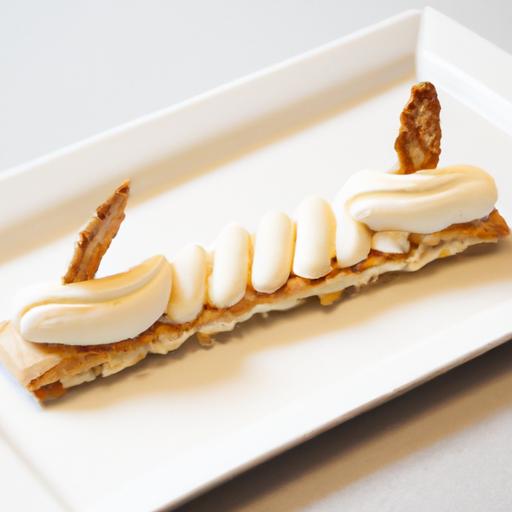

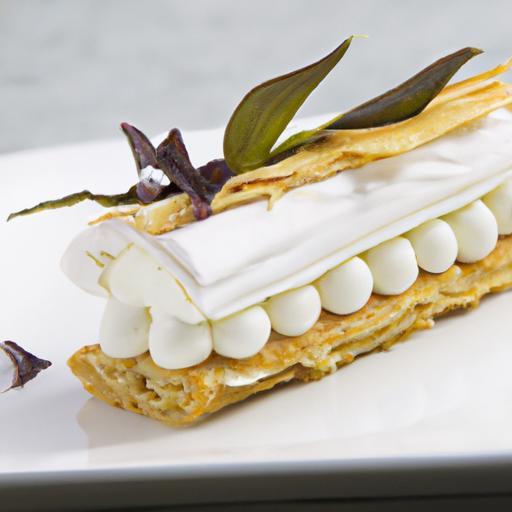
There’s something irresistibly enchanting about the delicate dance of flaky pastry and luscious cream, each layer whispering stories of precision, patience, and passion. Welcome to the world of Millefeuille-a timeless french classic whose name, meaning “a thousand leaves,” perfectly captures the intricate beauty of its many delicate layers. Mastering Millefeuille is more than just following a recipe; it’s an art form that rewards the attentive baker wiht a symphony of textures and flavors that delight the senses. In this article, we’ll unravel the secrets behind crafting this layered pastry delight, guiding you step-by-step to create a masterpiece that’s as stunning to behold as it is delectable to taste. Whether you’re a seasoned patisserie pro or an adventurous home baker, prepare to elevate your baking skills and bring a touch of French elegance to your kitchen.
Mastering Millefeuille: a layered pastry delight recipe is an exquisite journey into the timeless French patisserie tradition, where crisp puff pastry meets rich, velvety cream in a harmonious dance of texture and flavor. Achieving ultimate flakiness requires patience and precision,while crafting luxurious cream fillings brings added depth to every delicate layer. This guide will elevate your baking skills with essential tips on assembly, baking, and creative variations that transform the millefeuille into a stunning centerpiece.
Prep and Cook Time
- Readiness: 1 hour 30 minutes (including chilling times)
- Cooking: 25-30 minutes
- Total Time: Approximately 2 hours
Yield
Serves 8 elegant portions
Difficulty Level
Advanced – Perfect for bakers ready to refine their puff pastry and pastry cream expertise
Ingredients
- For the Puff Pastry:
- 2 cups (250g) all-purpose flour, sifted
- 1 tsp salt
- 1 cup (225g) unsalted butter, chilled and cubed
- ½ cup (120ml) ice-cold water
- 1 tsp lemon juice (optional, for enhanced gluten elasticity)
- For the Pastry Cream:
- 2 cups (480ml) whole milk
- ⅔ cup (130g) granulated sugar, divided
- ½ cup (60g) cornstarch
- 4 large egg yolks
- 2 tbsp unsalted butter
- 2 tsp pure vanilla extract
- For the Assembly and Decoration:
- Powdered sugar for dusting
- Fresh berries or edible flowers (optional)
- Dark chocolate curls or ganache drizzle (optional)
Instructions
- Prepare the Puff Pastry Dough: In a large bowl, whisk together the sifted flour and salt. Using a pastry cutter or food processor, blend the chilled butter cubes into the flour until the mixture resembles coarse crumbs with some pea-sized pieces remaining. Add the ice-cold water and lemon juice gradually, mixing with a fork just until the dough begins to come together without overworking it.
- Shape and Chill: Form the dough into a rough rectangle, wrap it tightly with plastic wrap, and refrigerate for 30 minutes to relax the gluten and firm up the butter.
- Laminate the Dough: On a lightly floured surface, roll the chilled dough into a rectangle approximately 12×18 inches. Fold the dough into thirds (like a letter), turn 90 degrees, and roll again.Repeat this rolling and folding process 4 to 5 times,chilling the dough for 15 minutes between folds if it becomes too soft. This layering technique is key to achieving ultimate flakiness.
- Chill the Dough: Wrap the final sheet tight and refrigerate for at least 1 hour (or overnight) before baking.
- Bake the Puff Pastry Sheets: Preheat your oven to 400°F (200°C). Roll the pastry to ⅛-inch thickness and cut into three equal rectangles (about 4×12 inches). Transfer the pastry onto parchment-lined baking sheets, prick all over with a fork to prevent excessive puffing, then cover loosely with parchment paper and a second baking tray to maintain flat layers. Bake for 15 minutes, remove the top tray and parchment, and bake another 10-15 minutes until golden and crisp.
- Make the Pastry Cream: In a medium saucepan, bring the milk to a simmer. in a separate bowl, whisk together the egg yolks, ⅓ cup sugar, and cornstarch until smooth.Gradually pour half of the hot milk into the yolk mixture to temper it, whisking constantly. Return the mixture to the saucepan and cook over medium heat, whisking continuously until thickened and bubbling. Remove from heat and whisk in remaining sugar, butter, and vanilla extract until glossy and smooth. Transfer to a bowl, cover with plastic wrap (pressing it onto the surface), and chill until cold.
- Assemble the Millefeuille: Place one baked puff pastry rectangle on a serving tray. Using a piping bag or spoon, evenly spread a thick layer of pastry cream over the pastry without letting it bleed over the edges.Repeat layering with the remaining puff pastry and cream, finishing with a top layer of pastry.
- Final Touches: Dust the top with powdered sugar, and decorate with fresh berries, chocolate curls, or a drizzle of ganache for a luxurious presentation. Chill for at least 1 hour before serving to allow the cream to set and flavors to meld beautifully.
Chef’s Notes and Tips for success
- Flaking the Pastry: Keep your butter and dough cold throughout to prevent butter from melting into the flour, which compromises flakiness.
- Folding Technique: Consistency is key during lamination; avoid rushing the folds and rest the dough to relax gluten.
- Pastry cream Variations: Try infusing your milk with a vanilla bean, citrus zest, or even a splash of coffee for unique flavor twists.
- Make-Ahead: Puff pastry dough can be laminated and frozen for up to 2 weeks. Pastry cream also stores well in the refrigerator up to 3 days.
- Preventing Soggy Layers: Use a thin coat of melted chocolate on pastry before layering to create a moisture barrier if preparing far ahead.
Serving Suggestions
Present your millefeuille on elegant rectangular plates to showcase the crisp edges and creamy layers. Garnish with fresh mint leaves, dust with extra powdered sugar, and add a few vibrant berries for contrast. For an added touch of sophistication, serve alongside a dollop of lightly whipped cream or a scoop of vanilla bean ice cream. A delicate drizzle of warm berry coulis or caramel sauce elevates each bite into a flavor masterpiece.

| Nutrient | Per Serving |
|---|---|
| Calories | 420 kcal |
| Protein | 6 g |
| Carbohydrates | 52 g |
| Fat | 20 g |
Looking to broaden your french pastry repertoire? Explore our detailed guide on crafting buttery croissants for more laminated dough mastery. For an in-depth explanation of puff pastry science, check out this Cook’s Illustrated article.
Q&A
Q&A: Mastering millefeuille – A Layered Pastry Delight Recipe
Q1: What exactly is a Millefeuille?
A1: Millefeuille, also known as the French “thousand leaves,” is a classic pastry made up of delicate layers of puff pastry alternated with luscious cream or custard fillings. Its signature flaky texture combined with silky smooth cream creates a symphony of flavors and textures in every bite.
Q2: Why is millefeuille considered a masterpiece of French patisserie?
A2: This pastry’s allure lies in its balance of crisp, buttery layers and rich, velvety fillings. Achieving the perfect millefeuille requires precision, patience, and skill – from rolling out the puff pastry just right to piping seamless lines of pastry cream. It’s a celebration of technique and flavor that reflects French culinary artistry.
Q3: What are the essential ingredients needed to make Millefeuille?
A3: At its core, Millefeuille demands quality puff pastry, usually homemade or well-chosen store-bought, vanilla pastry cream or Chantilly cream, and a touch of powdered sugar or fondant glaze for finishing touches. Some variations also incorporate fresh berries, chocolate, or fruit jams for added personality.
Q4: How do you achieve the perfect flaky puff pastry layers?
A4: The secret to flaky layers is in the lamination process-folding chilled butter into dough repeatedly to create multiple thin layers.Keeping everything cold throughout prevents the butter from melting prematurely, ensuring the pastry puffs spectacularly when baked, producing crisp, golden sheets.
Q5: What tips help prevent sogginess in Millefeuille?
A5: To avoid soggy layers, it’s crucial to bake the puff pastry until deeply golden and completely cooled before assembling. Also, pipe the cream sparingly and evenly, and consider glazing the pastry layers with a thin layer of melted chocolate or jam to act as a moisture barrier.
Q6: How can beginners approach millefeuille without feeling overwhelmed?
A6: Start with high-quality store-bought puff pastry to build confidence. Focus on mastering the pastry cream and assembling the layers neatly. With practice, you’ll gain a feel for the textures and timing. Remember,each Millefeuille you make is progress toward mastering this elegant dessert!
Q7: Can millefeuille be customized?
A7: Absolutely! Innovative bakers often experiment by swapping classic vanilla cream for flavored mousses,adding fresh fruits,or drizzling with caramel or chocolate. The beauty of Millefeuille is in its versatility – a canvas for creativity that still honors its conventional roots.
Q8: What’s the best way to serve Millefeuille?
A8: Serve millefeuille chilled but not too cold, allowing the cream to soften slightly and flavors to shine. Use a sharp knife to slice carefully, preserving those iconic layers. Pair with a light espresso or a delicate white wine for an unforgettable gourmet experience.
With these insights, you’re well on your way to mastering Millefeuille – a layered pastry delight that’s as rewarding to create as it is to savor!
Concluding Remarks
As the final dusting of powdered sugar settles on your perfectly crafted millefeuille, you’ll realize that this layered pastry is much more than the sum of its parts. Mastering millefeuille is a journey through delicate textures, precise techniques, and harmonious flavors-each flaky layer telling a story of patience and passion. Whether you’re a home baker seeking to impress or a seasoned patissier refining your craft,this timeless French delight invites you to explore the art of balance and elegance in pastry making. So, armed with your rolling pin and newfound knowledge, take a deep breath and dive into the delicious world of millefeuille-where every bite is a celebration of culinary mastery.