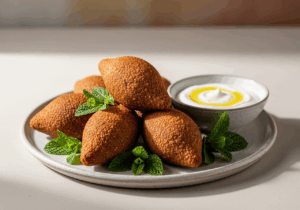

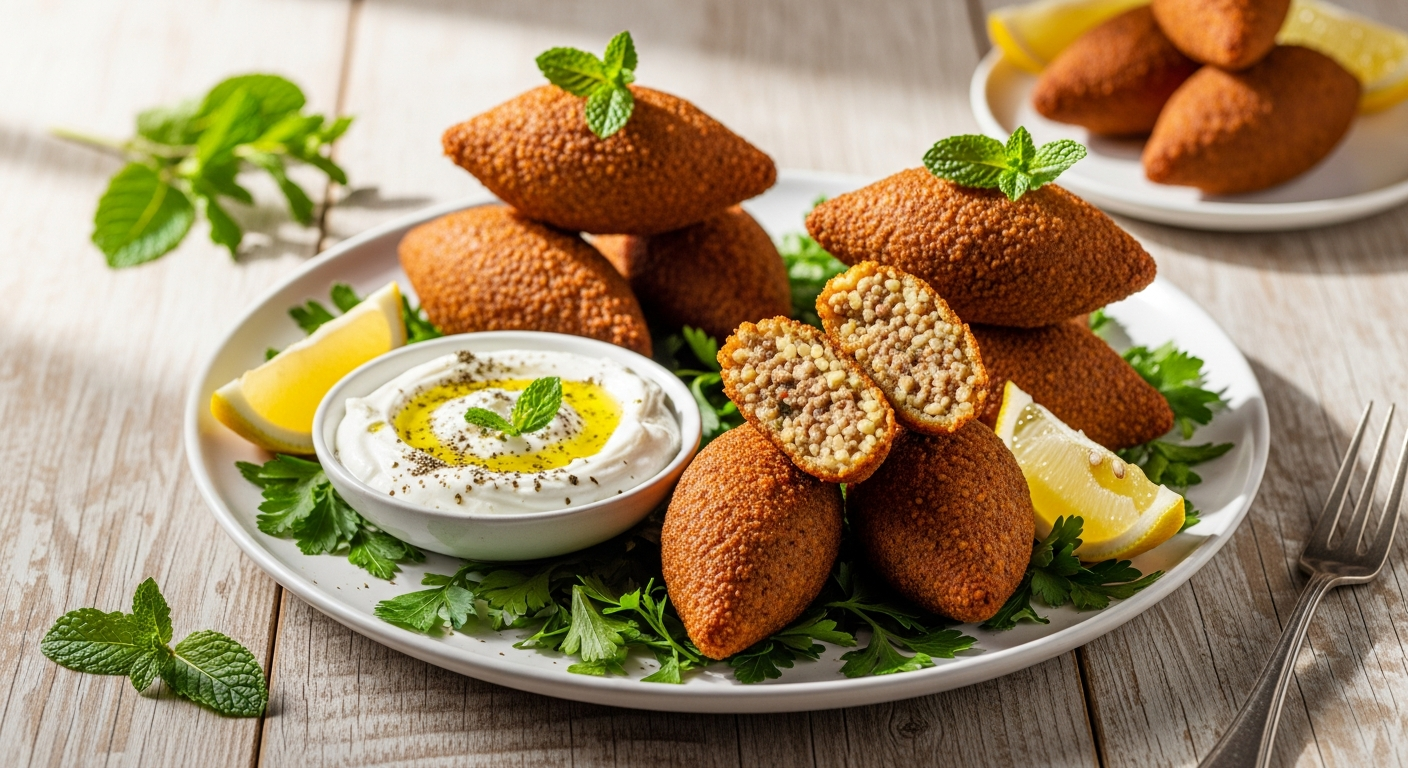
In the rich tapestry of Middle Eastern cuisine, few dishes embody tradition and flavor quite like Syrian kibbeh. Frequently enough hailed as the crown jewel of Levantine gastronomy, kibbeh is more then just a meal-it is indeed a celebration of heritage, skill, and the vibrant spirit of Syrian culture.From its perfectly spiced bulgur shell to the savory meat filling nestled within, mastering Syrian kibbeh is both an art and a deeply rewarding culinary journey. Whether you are a seasoned cook or a curious food enthusiast, this timeless recipe invites you to explore the balance of textures and aromas that have delighted palates for generations. Join us as we unravel the secrets behind this iconic dish and guide you through the steps to create your own masterpiece of Syrian kibbeh.
The Art of Crafting Perfect Kibbeh Dough for Authentic Texture
Mastering Syrian Kibbeh begins with the soul of the dish: the dough. This uniquely textured shell, crafted from bulgur wheat, minced meat, and select spices, is what defines authentic kibbeh. Originating from centuries-old Levantine traditions, this dough captures the essence of Syrian heritage-simple ingredients transformed through skillful technique into a delicate yet sturdy casing that holds rich, aromatic fillings.
Choosing the Finest Ingredients That Define Syrian Kibbeh
True mastery starts at the market. Opt for high-quality fine bulgur wheat-its smaller grain size absorbs moisture better, creating a pliable dough with that signature tender bite. Freshly ground lean lamb or beef ensures depth without greasiness. Essential aromatics like onion and warming spices such as allspice and cinnamon weave layers of flavor.The balance of these ingredients delivers the perfect harmony between bite and fragrance, setting your kibbeh apart.
Prep and Cook Time
- Planning: 45 minutes
- Cooking: 25 minutes
- Total Time: 1 hour 10 minutes
Yield
Approximately 20 medium kibbeh shells, ideal for a family gathering or festive occasion.
Difficulty Level
Medium – requires patience and gentle hands, but the results are worth every moment.
Ingredients
- 1 cup fine bulgur wheat, soaked in cold water for 15 minutes and drained
- 300g lean ground lamb or beef, chilled
- 1 small onion, finely grated
- 1 tsp ground allspice
- ½ tsp ground cinnamon
- ½ tsp salt (adjust to taste)
- Freshly ground black pepper, to taste
- Ice-cold water, as needed for dough consistency
- Olive oil, for brushing hands and surfaces
Step by Step Guide to Assembling and Shaping Conventional Kibbeh
- Drain the bulgur wheat thoroughly by pressing it inside a clean kitchen towel or sieve to remove all excess water.This step is key to avoid a soggy dough.
- combine the bulgur and ground meat in a large mixing bowl. add the grated onion, allspice, cinnamon, salt, and pepper.
- Knead the mixture vigorously for about 10 minutes. Use the heels of your hands to create a smooth, elastic dough that almost feels like playdough. If the mixture feels too dry, add ice-cold water one tablespoon at a time.
- Shape the dough into a ball, cover tightly with plastic wrap, and refrigerate for 30 minutes. This resting phase lets the flavors meld and helps the dough firm up.
- Prepare the filling separately: sauté spiced minced meat with onions and pine nuts until golden and fragrant (see related filling recipe here).
- To form each kibbeh shell, take a walnut-sized dough ball and gently press a hole in the center using your thumb, enlarging it to form a thin-walled oval cavity.
- Fill the cavity with a spoonful of the prepared filling. Carefully pinch and seal the edges as you shape the shell into the classic torpedo form.
- Brush your hands with olive oil frequently to prevent sticking and achieve smooth, glossy shells.
Expert Tips for Cooking and Serving to Elevate Every Bite
- Frying: Heat oil to 350°F (175°C) and fry kibbeh in batches until golden brown and crispy, typically 4-6 minutes. Drain on paper towels.
- Baking alternative: For a lighter version, brush kibbeh with olive oil and bake in a preheated oven at 375°F (190°C) for 20-25 minutes.
- serving: serve warm with a squeeze of fresh lemon, a side of creamy tahini sauce, and a sprinkle of chopped fresh mint or parsley to brighten the plate.
- Plate presentation: Arrange kibbeh on a rustic wooden board or a vibrant ceramic platter, garnished with sliced radishes and pickled turnips for authentic color contrast.
Chef’s Notes and tips for Success
- Cold ingredients and hands make shaping easier and prevent the dough from becoming sticky.
- Experiment with bulgur ratios-if the dough feels grainy or crumbly, add a little more cold water to bring it together.
- Leftover dough stores well in an airtight container in the refrigerator up to 24 hours-rest before shaping again.
- Use a food processor to pulse bulgur and meat for a finer, more consistent texture if desired.
- for gluten-free versions, try substituting bulgur with fine quinoa or rice flour blends, though texture will vary.
Serving Suggestions
Presented creatively, kibbeh transforms a meal into an experiance. pair these golden morsels with a fresh tabbouleh salad, assorted mezze like hummus and baba ghanoush, and chilled mint tea for a full Syrian feast. A small drizzle of pomegranate molasses or a dollop of tzatziki adds a tangy counterpoint that celebrates every rich, crispy bite.

| Nutrient | per Serving |
|---|---|
| Calories | 280 kcal |
| Protein | 18 g |
| Carbohydrates | 22 g |
| Fat | 14 g |
Explore more on Serious Eats’ in-depth Syrian Kibbeh guide for expert insights and variations.
Q&A
Q&A: mastering Syrian Kibbeh – A Timeless Culinary Delight Recipe
Q1: What is Kibbeh and why is it considered a cornerstone of Syrian cuisine?
A1: Kibbeh is a quintessential Middle Eastern dish that beautifully highlights the art of balancing flavors and textures. At its essence, it’s a blend of finely ground meat-commonly lamb or beef-mixed with bulgur wheat and aromatic spices. In syrian culture,Kibbeh is more than just food; it’s a symbol of hospitality,tradition,and community gatherings,passed down through generations as a culinary treasure.
Q2: What makes Syrian Kibbeh different from other regional variations?
A2: Syrian kibbeh stands out due to its delicate texture and the harmonious layering of ingredients. Unlike some variations that may be fried or simply baked, Syrian styles often incorporate unique fillings such as spiced pine nuts and caramelized onions, enveloped in tender bulgur-meat dough. The seasoning is subtle yet complex, often featuring allspice, cinnamon, and sometimes a hint of mint, which creates a nostalgic and refined flavor profile.Q3: What are the essential ingredients for authentic Syrian Kibbeh?
A3: The magic of Syrian Kibbeh lies in simplicity and quality: fine bulgur wheat (medium to fine grind), lean ground lamb or beef, onions, pine nuts, a blend of warming spices (allspice, cinnamon, black pepper), fresh herbs like mint and parsley, salt, and olive oil or clarified butter. Each ingredient plays a crucial role in achieving the perfect texture and taste.
Q4: Can you describe the basic process of preparing kibbeh?
A4: Certainly! The journey begins by soaking and draining bulgur to the right consistency, then combining it with minced meat and spices to form a smooth dough. Separately, the filling is prepared by sautéing minced meat with onions, pine nuts, and spices until richly fragrant. Traditionally, the dough is shaped-often into football-like forms-then filled with the savory mixture. From there, Kibbeh can be baked, fried, or even served raw in the famous Kibbeh Nayeh style.
Q5: What tips help to master making kibbeh at home?
A5: patience and practise are key. Sharpen your knife skills or use a food processor to achieve the fine texture needed. Properly draining the bulgur prevents a gummy dough. When shaping, keep your hands slightly wet to avoid sticking, and don’t skimp on the spices-they’re the soul of the dish. Lastly,don’t rush the cooking; whether frying or baking,gentle heat helps develop the ideal crust and tenderness inside.
Q6: are there any modern twists on traditional Syrian Kibbeh?
A6: Absolutely! Contemporary chefs experiment by incorporating different fillings like roasted vegetables,nuts,or even cheese. Vegan and gluten-free adaptations replace meat with lentils or mushrooms and substitute bulgur with quinoa or gluten-free grains. Fusion versions might incorporate global spices or pair Kibbeh with unexpected sauces, bridging tradition and innovation while honoring the dish’s heritage.
Q7: Why is mastering Kibbeh considered a rewarding culinary achievement?
A7: As kibbeh captures the soul of syrian hospitality and the complexity of its culinary artistry. Successfully creating this dish means understanding texture, balance, and cultural storytelling through food. It’s more than cooking; it’s connecting with a rich history and serving a meal that invites celebration, warmth, and shared memories.
Whether you’re a seasoned cook or a curious foodie,mastering Syrian Kibbeh opens a tasty door to Middle Eastern flavors and traditions-an edible heritage that continues to enchant palates worldwide.
Concluding Remarks
As you’ve journeyed through the rich tapestry of flavors and techniques that make Syrian kibbeh a timeless culinary treasure, you’ve not only uncovered a recipe but embraced a story steeped in history and culture.Mastering kibbeh is more than perfecting a dish-it’s about connecting with generations of cooks who have passed down this beloved delight. Whether you’re shaping the delicate shells or savoring the harmonious blend of spices and textures, each bite is a celebration of tradition and craftsmanship. So, roll up your sleeves, gather your ingredients, and let the art of Syrian kibbeh transform your kitchen into a vibrant hub of heritage and flavor. Your mastery of this exquisite dish is just the begining of a delicious adventure that welcomes both heart and palate.