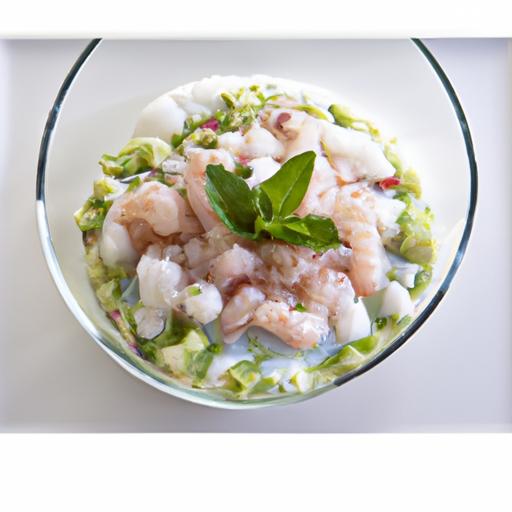

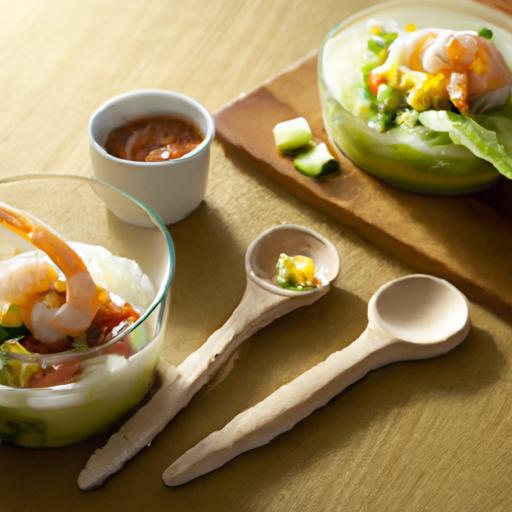
Beneath teh vibrant coastal skies of Peru lies a culinary treasure that dances on the palate with every bite: ceviche. This iconic dish, a symphony of fresh fish cured in tangy lime juice and seasoned with fiery ají peppers, transcends mere sustenance to become a cultural ritual rich with history and flavor.But ceviche’s true secret weapon is its famed companion-leche de tigre, the zesty, invigorating citrus marinade that not only brings ceviche to life but is said to possess restorative powers. Join us as we delve into the origins, preparation, and cultural significance of Peruvian ceviche and leche de tigre, unveiling the zest and tradition that have captivated taste buds and hearts around the world.
Peruvian ceviche and leche de tigre are culinary treasures that bring the vibrant flavors of Peru straight to your table.this iconic dish, rooted in coastal traditions, celebrates fresh seafood marinated in tangy citrus juices, creating a symphony of textures and tastes that are both refreshing and invigorating. As someone who has explored diverse culinary landscapes, I find the simplicity and elegance of Peruvian ceviche a testament to how fresh ingredients and bold marinades can transform humble elements into a gastronomic masterpiece.
Prep and Cook Time
- Preparation: 20 minutes
- Marination: 15-20 minutes
- Total Time: 35-40 minutes
Yield
- Serves 4 as a starter or light main dish
Difficulty Level
- Easy – perfect for home cooks eager to showcase fresh, bold flavors with minimal fuss
Ingredients
- 1 lb fresh firm white fish (such as sea bass or tilapia), cut into 1-inch cubes
- 1 cup freshly squeezed lime juice (about 8 limes)
- 1 medium red onion, thinly sliced
- 1 fresh ají limo chili or serrano chili, finely chopped (adjust to taste)
- 2 cloves garlic, minced
- 1 tsp freshly grated ginger
- 1/4 cup fresh cilantro, chopped
- 1 tsp sea salt, or to taste
- 1 tsp freshly ground black pepper
- 1 tbsp extra virgin olive oil
- 1 large sweet potato, boiled and sliced, for serving
- 1 ear of corn, boiled and cut into rounds, for serving
- Ice cubes, optional to chill the fish before marinating
instructions
- Prepare the fish: Rinse the white fish cubes under cold water, then gently pat dry with paper towels. Optionally,place the fish over a bed of ice for 5 minutes to ensure it stays firm and fresh during prep.
- Marinate the fish: In a glass or ceramic bowl, combine the fish with freshly squeezed lime juice, minced garlic, grated ginger, finely chopped chili, and salt. Toss gently so all pieces are coated. Let the fish marinate at room temperature for 15-20 minutes until it turns opaque and slightly firm.
- Prepare accompaniments: While the fish marinates, soak the sliced red onions in cold water for 5 minutes to mellow their bite, then drain and pat dry.
- Dress the ceviche: Add the drained red onions,chopped cilantro,black pepper,and olive oil to the marinated fish. Stir gently to combine all flavors.
- Make the leche de tigre: Carefully strain some of the citrus marinade along with bits of fish juices into a small bowl. This invigorating mix, known as leche de tigre, can be served chilled either as a tangy shot alongside ceviche or spooned over the dish for an extra flavor dimension.
- Plate and garnish: Serve ceviche promptly on chilled plates with boiled sweet potato slices and corn rounds arranged artfully on the side. Garnish with extra cilantro for a fresh pop of green and a small wedge of lime to elevate the experience.
Chef’s Notes and Tips for Success
- Use the freshest white fish available-Venice Fish market or trusted seafood counters are ideal sources.
- For a vegetarian twist, replace fish with hearts of palm or firm tofu, adjusting marination time accordingly.
- Adjust the heat by varying the amount or type of chili; ají amarillo can also be used for a mellow,fruity spice.
- Do not over-marinate the fish; too long in citrus will make it mushy rather of tender and fresh.
- Leche de tigre can be refrigerated for up to 24 hours and enjoyed as a refreshing, protein-rich beverage or a zesty sauce.
- For best results, assemble ceviche just before serving to preserve the ideal texture and vibrant color.
Serving Suggestions
Present Peruvian ceviche with visually contrasting elements-the radiant white fish against deep red onions, emerald green cilantro, and vibrant orange sweet potato creates an irresistible palette. For an elevated experience, serve with cold pisco cocktails or a crisp Sauvignon Blanc to complement the citrus notes. A delicate sprinkle of crunchy cancha (toasted corn kernels) adds a textural bonus, while fresh avocado slices or a salad of mixed greens can balance the dish’s bright acidity.
| Nutrient | Per Serving |
|---|---|
| Calories | 210 kcal |
| Protein | 28 g |
| Carbohydrates | 14 g |
| Fat | 5 g |

For more inspiration on fresh seafood dishes, check out our Coastal Seafood Grill Recipes. To deepen your knowledge of the cultural backdrop behind this dish, visit the respected culinary archives at peruvian Food Society.
Q&A
Q&A: Peruvian Ceviche and Leche de Tigre – A Zesty Tradition Unveiled
Q1: What exactly is Peruvian ceviche?
A1: Peruvian ceviche is a vibrant dish that celebrates the freshness of the ocean with a tangy twist. At its core,it’s raw fish marinated in freshly squeezed lime juice,tossed with sliced onions,chili peppers,cilantro,and a pinch of salt. This marinating process “cooks” the fish through acidity, creating a refreshing and flavorful experience that’s both bright and zesty.
Q2: How did ceviche become such an iconic dish in Peru?
A2: The roots of ceviche trace back centuries, blending indigenous cooking techniques with influences from Spanish colonizers and Japanese immigrants. Peru’s rich coastal waters provided an abundance of fresh fish, and the tradition of marinating seafood in citrus juice evolved into a national culinary symbol.Over time, ceviche became more then food-it became a cultural ritual, celebrated in festivals and family gatherings.
Q3: What role dose leche de tigre play in ceviche?
A3: Literally translating to “tiger’s milk,” leche de tigre is the lively citrusy marinade leftover after the fish has soaked.It’s a potent elixir packed with lime juice, fish juices, spices, and a touch of chili, known for its invigorating and supposedly restorative properties. Many Peruvians savor it as a shot, believing it can cure hangovers or provide an energy boost.
Q4: Are there different variations of ceviche across peru?
A4: Absolutely! Peru is a mosaic of flavors, and ceviche reflects that beautifully. In coastal areas, the fish might be fresher and paired with sweet potatoes or corn. Up north, you might find it spicier or combined with different seafood like octopus or squid. Each region adds its own unique flair, making every bowl a storyteller of local tastes and traditions.
Q5: What makes the citrus marinade so essential to ceviche?
A5: The citrus marinade is the magic wand that transforms raw fish into ceviche’s signature dish.Lime juice not only imparts a bright, zesty flavor but also “cooks” the fish by denaturing its proteins. This process keeps the texture tender while ensuring safety. The acidity balances the heat of the chili and the sweetness of the onion, creating a harmonious burst of flavors.
Q6: Can ceviche be made with alternatives for those wary of raw fish?
A6: Certainly! While conventional ceviche centers on raw fish, there are creative adaptations using cooked seafood like shrimp or scallops. Some even swap fish for vegetables or fruits, using the classic citrus marinade to infuse vibrant taste without the raw element. Thes versions keep the spirit of ceviche alive for all palates.
Q7: How is ceviche traditionally served in Peru?
A7: In Peru, ceviche is often served fresh and chilled, accompanied by sides such as cancha (toasted corn), sweet potato slices, and sometimes a scoop of corn-on-the-cob. the contrast between the zesty ceviche and these heartier accompaniments creates a balance of textures and flavors that’s deeply satisfying.
Q8: What cultural significance does ceviche hold beyond being just a dish?
A8: Ceviche embodies Peru’s coastal heritage, the blending of cultures, and the ingenuity of its people to celebrate simplicity with vibrant flavors. It’s a dish that brings communities together, whether at seaside gatherings, markets, or celebrations.For many Peruvians, ceviche is a source of pride-a culinary ambassador of their rich and diverse identity.
Whether you’re a curious foodie or a seasoned traveler, diving into the world of Peruvian ceviche and its spirited partner leche de tigre promises a sensory adventure. This zesty tradition invites you to taste more than just food-it’s a splash of history, culture, and passion in every bite.
The Way Forward
As the vibrant flavors of Peruvian ceviche and its invigorating companion,leche de tigre,continue to enchant palates around the world,we are reminded that this zesty tradition is much more than just a dish-it is a cultural story told through every fresh bite and tangy sip. From the sun-kissed coasts of Peru to tables far beyond its borders, ceviche invites us to savor the perfect harmony of acidity, spice, and ocean-fresh ingredients, while leche de tigre offers a spirited awakening that lingers long after the meal ends. Embracing this culinary legacy means tasting history, tradition, and innovation all at once-an experience as refreshing as the Peruvian breeze itself.so next time you indulge in this citrus-kissed masterpiece, remember: you’re partaking in a celebration that has been perfected over generations, a true tribute to Peru’s zest for life.