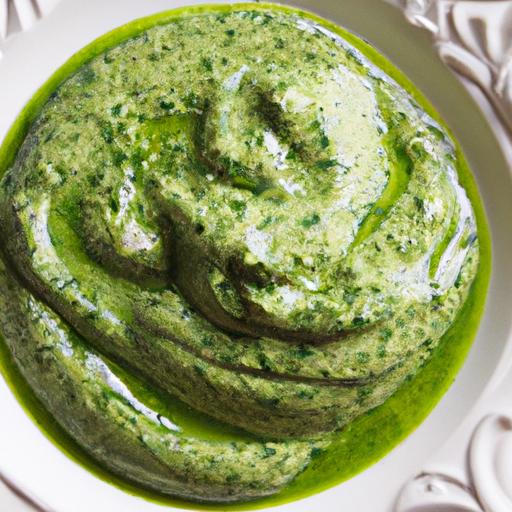

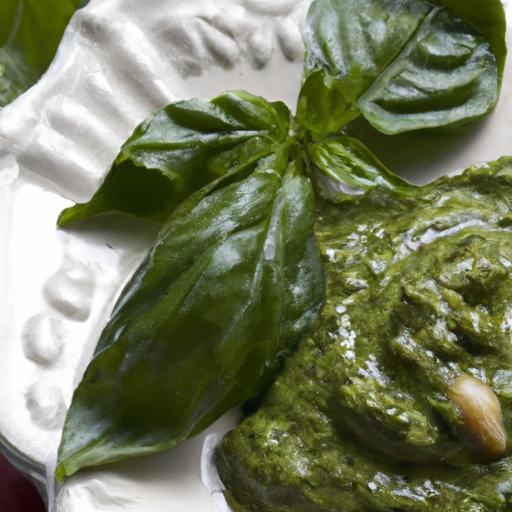
Hidden within the sun-drenched hills of Liguria,where the scent of fresh basil mingles with the salty sea breeze,lies a culinary treasure that has dazzled taste buds for centuries: Pesto alla Genovese. This vibrant green sauce,bursting with the essence of pine nuts,garlic,Parmigiano-Reggiano,and the region’s prized basil,is more than just a condiment-it’s a living tradition,a symbol of Italian heritage and craftsmanship. Join us as we unravel the origins, ingredients, and time-honored techniques behind Italy’s beloved green sauce, revealing why Pesto alla Genovese continues to captivate gourmets around the world.
Pesto alla Genovese is a verdant emblem of Ligurian cuisine, a vibrant sauce bursting with the essence of sun-kissed basil, toasted pine nuts, and fragrant garlic. Rooted deeply in the coastal city of Genoa, this iconic green sauce not only defines Italian culinary heritage but also celebrates simplicity and freshness in every spoonful. My first encounter with authentic pesto was during a summer escape along the Italian Riviera, where the air was thick with the scent of basil gardens and the timeless craft of mortar and pestle. It’s this devotion to tradition and balance that transforms humble ingredients into an unforgettable experience.
Prep and Cook Time
- Preparation: 15 minutes
- Cook Time: 0 minutes (raw sauce)
- Total Time: 15 minutes
Yield
Approximately 1 cup (serves 4 as a pasta sauce)
Difficulty Level
Easy – Perfect for cooks of all levels keen to master an Italian classic
Ingredients
- 2 cups fresh basil leaves (preferably Genovese basil, washed and dried)
- 1/2 cup extra virgin olive oil (cold pressed for best flavor)
- 1/3 cup pine nuts (lightly toasted)
- 2 garlic cloves (peeled, whole)
- 1/2 cup freshly grated Parmigiano-Reggiano cheese
- 2 tablespoons grated Pecorino cheese
- 1/2 teaspoon sea salt
Instructions
- Prepare the basil: Gently pat the fresh basil leaves dry with a clean kitchen towel to avoid any moisture that can dull the color and flavor.
- Toast the pine nuts: In a dry skillet over medium heat, toast pine nuts until golden and fragrant, about 3 to 4 minutes, stirring frequently to prevent burning. Cool before use.
- Crush garlic and pine nuts: In a traditional mortar and pestle or a food processor, first lightly crush the garlic cloves with 1/2 teaspoon sea salt to create a paste. Add toasted pine nuts and grind gently, retaining some texture.
- Add basil gradually: Incorporate basil leaves handful by handful, gently grinding in a circular motion to release essential oils and vibrant color. Avoid over-processing to keep the sauce fresh and slightly coarse.
- Incorporate cheeses: Fold in the grated Parmigiano-Reggiano and Pecorino cheeses, stirring until combined evenly.
- Slowly drizzle in olive oil: Pour cold extra virgin olive oil in a thin, steady stream while mixing continuously to emulsify the sauce to a smooth, luscious consistency.
- Adjust seasoning: Taste and add a pinch more salt if needed to balance the bright, herbal flavors perfectly.
Chef’s Notes
- For authentic pesto alla Genovese, avoid using pre-ground dried basil or substituting walnuts for pine nuts, as these alter the delicate balance of flavor.
- If you don’t have a mortar and pestle, pulse the ingredients sparingly in a food processor to prevent overheating, which can darken the sauce and reduce freshness.
- This pesto can be made ahead and stored in an airtight container with a thin layer of olive oil on top to prevent oxidation; best consumed within 2 days.
- Use freshly grated cheeses rather than pre-grated versions for optimal melt and taste quality.
Serving Suggestions
Drizzle your freshly made pesto alla Genovese over al dente pasta like trofie or trenette-the traditional Ligurian choices.For an authentic touch,garnish with a few whole basil leaves and a sprinkle of grated Parmigiano-Reggiano. Beyond pasta, pesto makes a divine topping for grilled chicken, roasted vegetables, and even crusty bread. Pair with a crisp white wine from Liguria, such as Vermentino, for a sensory journey to the Italian Riviera.

| Nutrient | Per 2 tbsp |
|---|---|
| Calories | 90 kcal |
| Protein | 2 g |
| Carbohydrates | 1.5 g |
| Fat | 9 g |
Explore more about the history of pesto to enrich your recognition of this Italian green treasure.
Q&A
Q&A: Pesto alla Genovese – Italy’s Green Sauce Tradition Revealed
Q1: What exactly is Pesto alla Genovese?
A1: Pesto alla Genovese is the quintessential green sauce hailing from Genoa, the capital of Italy’s Liguria region. Crafted from fresh basil, pine nuts, garlic, Parmesan and Pecorino cheeses, olive oil, and a pinch of sea salt, it’s a vibrant, aromatic blend that bursts with Mediterranean sunshine in every bite.
Q2: How did this iconic green sauce come to be?
A2: The roots of Pesto alla Genovese trace back to ancient Ligurians who crushed herbs and nuts with a mortar and pestle, a technique preserved through centuries. The name “pesto” derives from “pestare,” meaning to pound or crush, highlighting the sauce’s handcrafted history. It evolved as a way to capture Liguria’s abundant basil harvests and local flavors.
Q3: What makes Pesto alla Genovese different from other pestos?
A3: Unlike variants that add sun-dried tomatoes or arugula, true Genovese pesto sticks to tradition: only Genovese basil, pine nuts, garlic, two types of hard cheeses (Parmigiano-Reggiano and Pecorino), top-quality extra virgin olive oil, and sea salt. Its flavor is delicate yet unmistakable,a green velvet cloak that enriches pasta,focaccia,and more.Q4: Is there a secret technique or tool for making perfect pesto?
A4: Purists swear by the marble mortar and wooden pestle, rhythmically grinding the ingredients to release essential oils without bruising the basil.This slow, gentle method preserves the sauce’s fresh color and texture. However, modern chefs often use food processors-speedy but sometimes at the cost of flavor finesse.
Q5: Can Pesto alla Genovese be stored or must it be used instantly?
A5: Freshness is pesto’s soul, but it can be stored in an airtight container topped with a thin layer of olive oil to prevent oxidation, keeping it vibrant for a couple of days in the fridge. For longer storage, freezing pesto in ice cube trays ensures you have little bursts of green magic ready whenever pasta calls.
Q6: What dishes go best with pesto alla Genovese?
A6: Traditionally,trofie or trenette pasta embrace the sauce beautifully,but pesto’s versatility means it can elevate gnocchi,grilled vegetables,fish,or even a crusty slice of bread. Its bright, herbaceous flavor adds a fresh twist to countless recipes, turning humble ingredients into Italian masterpieces.
Q7: How can I honour the tradition while experimenting with pesto at home?
A7: Start with authentic ingredients-especially fragrant Ligurian basil and quality cheeses. Respect the balance of flavors and avoid overloading the sauce. From there, feel free to introduce creative touches like lemon zest or toasted walnuts, but remember: the heart of genovese pesto lies in its simplicity and freshness.
Pesto alla Genovese isn’t just a sauce; it’s a vibrant thread in the tapestry of Italian culinary heritage, a green symphony that sings of sunlit Ligurian hills and centuries-old kitchen rituals. Whether you savor it in a cozy trattoria or craft it yourself, pesto invites you to taste a slice of Italy’s radiant soul.
Key takeaways
As the vibrant hues of basil leaves fade into the rich, emerald swirl of Pesto alla Genovese, we uncover more than just a sauce-we glimpse a timeless tradition steeped in Ligurian heritage. This verdant elixir, born from humble ingredients and crafted by hand, carries the essence of Italy’s sun-drenched coasts and communal tables. Whether draped over al dente pasta, spooned onto crusty bread, or stirred into soups and salads, pesto invites us to savor not just a recipe, but a story of place, passion, and preservation. So next time you twirl those fragrant strands of linguine, remember-you’re tasting a green legacy that has united generations, a simple yet profound celebration of Italy’s culinary soul.