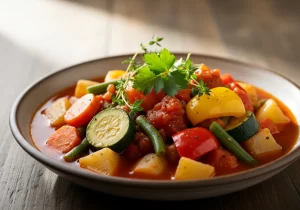

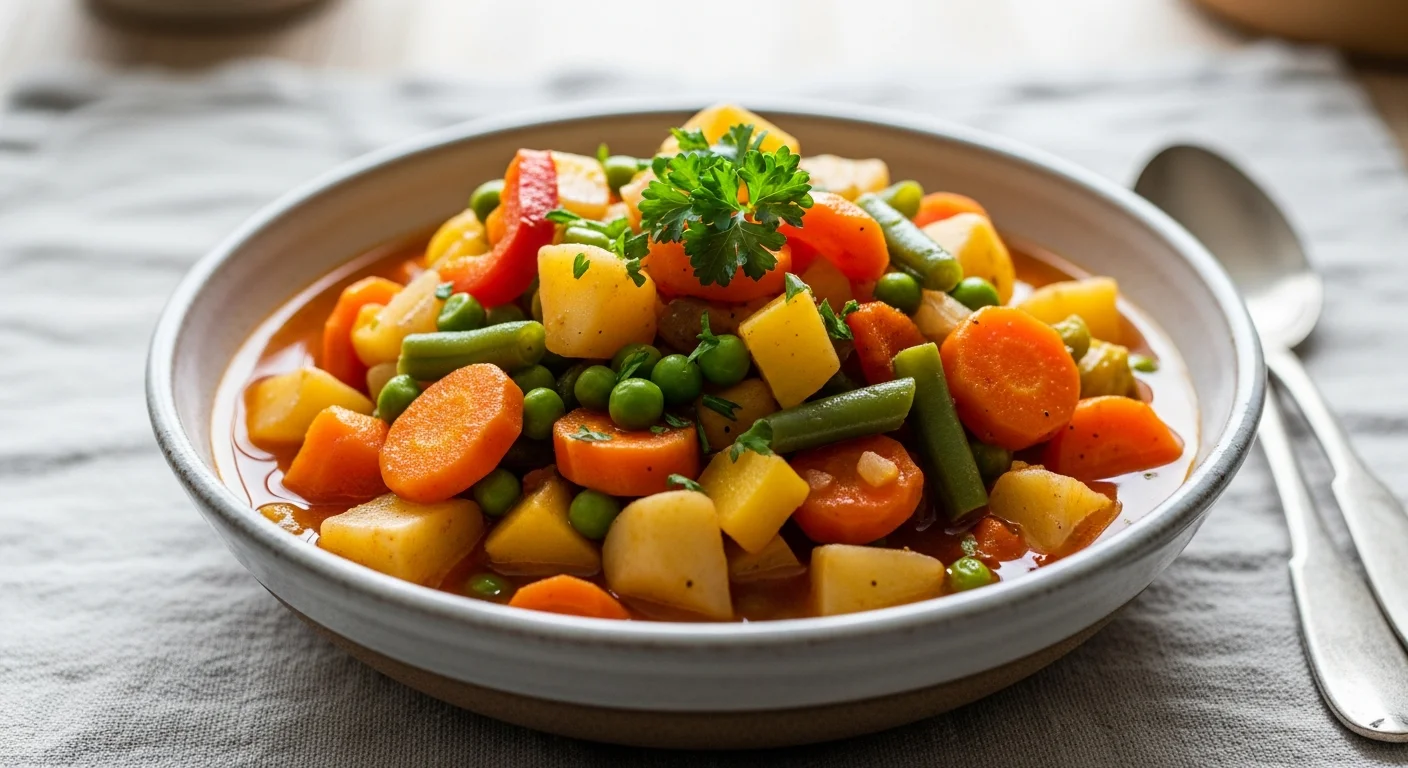
Nestled in the sun-soaked kitchens of Spain’s vibrant countryside lies a dish that captures the very essence of Mediterranean abundance and warmth: pisto. Often described as Spain’s answer to ratatouille,this rustic vegetable stew is more than just a medley of fresh,sun-ripened produce-it is a celebration of tradition,seasonality,and simple,soulful cooking. From the sizzling olive oil that carries the aromas of garlic and paprika, to the colorful symphony of tomatoes, peppers, and zucchini, pisto invites food lovers on a flavorful journey through Spain’s rich culinary landscape. Join us as we explore the origins, variations, and cultural meaning of this beloved dish, and discover why pisto continues to hold a cherished place in Spanish hearts and on tables across the world.
Pisto is a cornerstone of Spanish cuisine, embodying the vibrant colors and fresh flavors of the Mediterranean countryside. This rustic vegetable stew, brimming with zucchini, tomatoes, peppers, and onions, connects generations through its humble origins in Castilla-La Mancha. Often referred to as Spain’s answer to ratatouille, pisto is more than just a dish; it is a celebration of seasonal produce and simple, soulful cooking that transforms basic ingredients into a comforting masterpiece.
prep and Cook Time
- Preparation: 20 minutes
- Cooking: 40 minutes
- Total Time: 1 hour
Yield
Serves 4 generous portions
Difficulty Level
Easy – Perfect for home cooks and beginners looking to explore authentic Spanish flavors
Key Ingredients and Techniques That Bring Pisto to life
At the heart of pisto lies a medley of fresh vegetables,cooked slowly to coax out their natural sweetness and meld their textures. The foundation begins with finely diced onions and green and red bell peppers, sautéed in quality extra virgin olive oil until soft and fragrant. Adding shredded zucchini and juicy, ripe tomatoes gives pisto its iconic texture and radiant hues.
The secret to mastering this dish is patience – cooking each vegetable gently ensures they don’t become mushy but meld together into a luscious stew. Traditionally, the vegetables are cooked separately before combining, allowing for perfect doneness and a harmonious blend of flavors. Seasoned simply with sea salt,freshly ground black pepper,and optionally a pinch of smoked paprika,pisto bursts with natural,earthy notes.
Regional Variations That Showcase spain’s Diverse Flavors
Spain’s diverse landscape lends multiple regional spins to pisto, each capturing local tastes. In Castilla-La Mancha, its frequently enough a standalone dish or served with a fried egg on top. Andalusia adds a hint of sherry vinegar for subtle tang,while Catalonia incorporates fresh basil or rosemary for herbal warmth.
Some versions include eggplant, making it closer to french ratatouille, while others enhance the stew with grilled chorizo or guindilla peppers to introduce smoky heat.This diversity reflects the adaptability of pisto – a vegetable stew that’s both a canvas and a comfort food, shaped by Spain’s regional ingredients and culinary traditions.
Expert Tips for Perfecting Yoru Homemade Pisto Every Time
- choose ripe, fresh vegetables: The key to vibrant pisto is selecting high-quality produce with firm texture and rich color.
- Cook vegetables separately: Sauté each main vegetable-onions,peppers,zucchini,and tomatoes-on their own to control texture and flavour before combining.
- Use good olive oil: A fruity, robust extra virgin olive oil enhances the stew’s depth and authentic Mediterranean character.
- Low and slow is best: Avoid rushing-let the mixture simmer gently to allow the flavors to marry without turning mushy.
- Add seasoning last: Adjust salt, pepper, and smoked paprika at the end to suit your taste and keep the natural vegetable sweetness intact.
- Make ahead and refrigerate: Pisto tastes even better the next day as the flavors continue to develop. Store in an airtight container for up to 3 days.
Ingredients
- 3 tbsp extra virgin olive oil
- 1 medium onion, finely chopped
- 1 red bell pepper, diced
- 1 green bell pepper, diced
- 2 medium zucchinis, diced
- 4 ripe tomatoes, peeled and chopped (or 1 cup canned crushed tomatoes)
- 2 garlic cloves, minced
- 1 tsp smoked paprika (optional)
- Salt and freshly ground black pepper, to taste
- Fresh basil or parsley, for garnish
Instructions
- Heat 1 tbsp olive oil in a large skillet over medium heat. Sauté the onions until translucent and soft, about 5 minutes.
- Add the diced red and green bell peppers with 1 tbsp olive oil. Cook until they start to soften, around 7 minutes, stirring to avoid sticking.
- In a separate pan, warm the remaining olive oil and sauté the diced zucchini until slightly golden and tender, about 6 minutes.
- Add the minced garlic to the peppers and onions, sauté for 1 minute until fragrant.
- Combine all the sautéed vegetables in the largest pan, than gently fold in the chopped tomatoes and smoked paprika if using.
- Reduce heat to low,cover,and simmer for 15-20 minutes,stirring occasionally,until the mixture thickens and melds into a silky stew.
- Season generously with sea salt and freshly ground black pepper. Adjust seasoning according to taste.
- Remove from heat and let the stew rest for 5 minutes before serving.
Chef’s Notes
- Vegetable swaps: Feel free to add diced eggplant, green beans, or even carrots for extra texture and flavor.
- Protein additions: For a heartier meal, serve pisto topped with a fried egg or slices of manchego cheese, or alongside grilled chicken or fish.
- Storage: Pisto can be refrigerated up to 3 days in a sealed container and reheated gently on the stove or microwave.
- Make it vegan: This recipe is naturally vegan and gluten-free-just omit any animal-based accompaniments.
Serving Suggestions
Serve your homemade pisto warm,draped over a thick slice of crusty artisan bread or spooned atop creamy polenta for a comforting meal. Garnish with fresh basil or parsley and a drizzle of high-quality extra virgin olive oil to enhance the dish’s vibrant colors and fragrances. Pisto also shines as a side dish alongside Spanish tortilla or grilled meats, offering a refreshing vegetable contrast.

| Nutrient | Per Serving |
|---|---|
| Calories | 140 kcal |
| Protein | 3 g |
| Carbohydrates | 18 g |
| Fat | 7 g |
For a deeper dive into Spanish culinary traditions, check our Guide to classic Spanish Tapas, and explore the cultural roots of Mediterranean cooking on Spanish Food Guide.
Q&A
Q: What is Pisto, and why is it considered a symbol of Spanish culinary tradition?
A: Pisto is a colorful, hearty vegetable stew hailing from Spain, often described as the country’s answer to ratatouille. Made from a medley of ripe tomatoes, zucchinis, peppers, and onions simmered slowly to create a rich, soulful dish, Pisto embodies the vibrant flavors and sun-kissed spirit of Spanish agriculture. It’s more than just food-it’s a celebration of the land’s bounty and the simple joy of sharing.
Q: Which vegetables are essential for making an authentic Pisto?
A: At its core,Pisto relies on humble yet flavorful staples: juicy tomatoes,tender zucchini,sweet red and green bell peppers,and golden onions. Some regional takes add eggplant or garlic, but these five ingredients form the backbone of the traditional recipe, melding together in a slow-cooked harmony that bursts with earthy sweetness and smoky undertones.
Q: How is Pisto traditionally prepared and served in spain?
A: The magic of Pisto lies in its patience. Vegetables are chopped and sautéed separately to preserve their textures and flavors, then combined to simmer gently, allowing the juices to mingle.In Spain, Pisto is loved both as a warm main dish-sometimes crowned with a fried egg-and as a cold tapa paired with crusty bread or manchego cheese, embracing versatility in every spoonful.
Q: Are there regional variations of Pisto throughout Spain?
A: absolutely! While the Castilian-Manchego version is the most famous, regions like Andalusia and Valencia tweak the recipe to reflect local tastes. Some add smoky paprika or a splash of sherry vinegar; others may roast the vegetables instead of sautéing to deepen the flavors. Each variation pays homage to local ingredients while honoring the stew’s rustic roots.
Q: How does pisto reflect the cultural and agricultural heritage of Spain?
A: Pisto is a dish born from necessity and creativity-transforming seasonal, garden-fresh vegetables into a nourishing meal. It mirrors Spain’s historical reliance on the land’s rhythm and the Mediterranean diet’s emphasis on plant-forward eating. More than a recipe, Pisto connects Spaniards to their past, their environment, and the communal table.
Q: Can Pisto be adapted for modern dietary preferences?
A: Definitely! Naturally vegan and gluten-free, Pisto fits beautifully into contemporary diets. To suit personal preferences, you can add herbs like thyme or basil, incorporate a drizzle of quality olive oil for richness, or serve it over quinoa or grains instead of traditional bread. It’s a timeless dish that welcomes innovation without losing its soulful essence.
Q: Why should food lovers around the world explore making or tasting Pisto?
A: Pisto is a sensory journey-each bite offers a mosaic of textures and sun-ripened flavors that transport you straight to a Spanish farmhouse kitchen. It’s comfort without heaviness, tradition without pretension. For anyone craving a taste of Spanish life’s warmth and simplicity, Pisto invites you to savor the beauty of vegetables elevated to art.
Final Thoughts
As the sun sets over the Spanish countryside, the humble pisto reminds us that sometimes, the most vibrant flavors come from the simplest ingredients lovingly brought together. This colorful vegetable stew is more than just a dish-it’s a celebration of Spain’s rich agricultural heritage, a taste of regional identity, and a heartwarming symbol of communal tables shared across generations. Whether served warm with a fried egg or chilled alongside crusty bread, pisto invites us to slow down, savor the season’s bounty, and experience a tradition that continues to nourish both body and soul. So next time you crave a meal steeped in history and bursting with color, let pisto transport you to the sun-kissed fields and bustling kitchens of Spain, were every spoonful tells a story worth tasting.