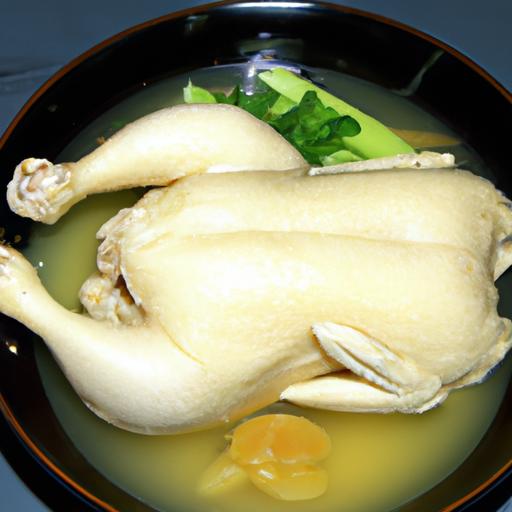

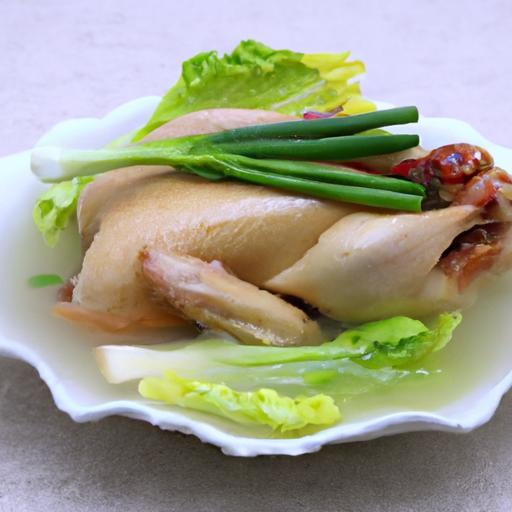
In the heart of Korean culinary tradition lies a bowl brimming with history, health, and heritage-Samgyetang, the revered ginseng chicken soup. Often described as a comforting elixir, this iconic dish is far more than just a meal; it is a ritual of renewal, a harmonious blend of nature’s finest ingredients designed to rejuvenate both body and soul.From its ancient roots in royal courts to bustling modern kitchens, Samgyetang has long been celebrated for its restorative powers and unique flavor profile.Join us as we delve into the secrets behind Korea’s healing ginseng chicken soup, unveiling the story, science, and soul simmering beneath its fragrant broth.
Samgyetang stands as a timeless Korean treasure, celebrated for its nourishing blend of tender chicken and invigorating ginseng broth. This Korean classic unfolds a story steeped in tradition, believed to energize the body during the sweltering summer months.Its origins trace back to the Joseon Dynasty, where noble families cherished the soup as a restorative meal balancing yin and yang, making it much more than just food-it’s a cultural ritual. I still recall the comforting warmth of my grandmother’s kitchen, where the aroma of simmering ginseng and garlic promised healing with every spoonful, inspiring my passion for this dish.
Prep and Cook Time
- Preparation: 20 minutes
- Cooking: 1 hour 15 minutes
- Total time: 1 hour 35 minutes
Yield
Serves 4 hearty portions
Difficulty Level
medium – requires attention to ingredient preparation and slow simmering
Ingredients
- 1 whole young chicken (about 2½ lbs), cleaned and patted dry
- ¼ cup glutinous rice (soaked for 1 hour and drained)
- 4-5 fresh ginseng roots (or 1 dried ginseng root)
- 6-8 cloves garlic, peeled
- 4-5 jujubes (Korean red dates), rinsed
- 1 small piece dried ginkgo nuts (optional)
- 6 cups water, filtered
- 2 green onions, cut into large pieces
- Salt and freshly ground black pepper, to taste
- 1 tsp sesame oil, for finishing
- Optional: fresh parsley or chopped chives for garnish
instructions
- Clean and prep the chicken. Remove any excess fat and gently stuff the soaked glutinous rice, 2-3 garlic cloves, 2 jujubes, and 1-2 ginseng roots inside the chicken cavity.secure with kitchen twine or toothpicks if needed to hold the stuffing in place during cooking.
- Place the stuffed chicken into a large stockpot. Add the remaining ginseng, garlic cloves, jujubes, ginkgo nuts (if using), green onions, and pour 6 cups of water over the ingredients to submerge the chicken.
- Bring the pot to a boil over medium-high heat. Once boiling,reduce to low heat and cover with a lid,simmering gently for 1 to 1¼ hours. This slow simmer infuses the broth with rich flavors and tenderizes the chicken to perfection.
- Occasionally skim off any foam or impurities that rise to the surface to keep the broth clear and clean tasting.
- After the cooking time, check the chicken. It should be tender and easily pull away from the bones.Remove the pot from heat.
- Season the broth generously with salt and pepper to your preferred taste. Stir in a teaspoon of sesame oil for a subtle nutty aroma.
- Transfer each portion to individual bowls. Garnish with freshly chopped parsley or chives for a splash of color and fresh herbal brightness.
- Serve promptly with traditional Korean side dishes like kimchi, yellow pickled radish, and a bowl of steamed rice to complete the authentic experience.
Chef’s Notes and Tips for Success
- Fresh vs.dried ginseng: Fresh ginseng provides a delicate, earthy sweetness, while dried roots deliver deeper, more concentrated herbal notes. Both are authentic but vary in intensity.
- Glutinous rice soaking: Don’t skip soaking the rice; it softens the grains and ensures a creamy, comforting texture when cooked inside the chicken cavity.
- Chicken choice matters: Using a young cornish hen or a small chicken results in more tender meat. Organic or free-range produces superior flavor and texture.
- Make-ahead: Samgyetang tastes even better the next day when the flavors meld. Store in the fridge and reheat gently on low heat to preserve the delicate broth.
- Variations: Add dried shiitake mushrooms for an earthy umami punch or fresh ginkgo nuts for subtle bitterness and crunch if desired.
Serving Suggestions for an Authentic Korean Experience
Pair this healing chicken soup with traditional kimchi and a bowl of steamed short-grain rice to balance the richness.Serve alongside Korean banchan (small side dishes) such as pickled radish, seasoned spinach, or mung bean sprouts to add vibrant textures and flavors to your meal.For beverages, a light green tea or barley tea complements without overpowering.Don’t forget to provide salt and pepper on the side, allowing guests to season their broth to taste, a cherished korean custom.

| nutrient | Amount per Serving |
|---|---|
| Calories | 380 kcal |
| Protein | 45 g |
| Carbohydrates | 12 g |
| Fat | 10 g |
Explore the ancient depth and healthful essence behind this dish further through the Korean Bapsang recipe guide,an authoritative resource on Korean culinary tradition.
Q&A
Q&A: Samgyetang Unveiled – Korea’s Healing Ginseng Chicken Soup
Q1: What exactly is Samgyetang?
A1: Samgyetang is a traditional Korean soup that stars a whole young chicken stuffed with sticky rice, boiled slowly in a fragrant broth enriched with ginseng, garlic, jujube (Korean dates), and various herbs. Often dubbed Korea’s ultimate healing soup, it’s cherished not just for its hearty flavor but for its reputed restorative powers.
Q2: Why is ginseng such an important ingredient in Samgyetang?
A2: Ginseng is the soul and signature of Samgyetang. Known as a powerful adaptogen, it’s been used for centuries to boost energy, enhance immunity, and improve overall vitality. In the soup, ginseng imparts a subtle earthiness that balances the richness of the chicken, transforming a simple meal into a wellness ritual.
Q3: When is Samgyetang traditionally eaten?
A3: Unlike many soups consumed mainly in cold months, Samgyetang is famously enjoyed during Korea’s hottest days-called “Sambok” days-believed to combat summer heat with heat.The idea is “fight fire with fire”: nourishing the body with strong, restorative ingredients to replenish energy drained by the sweltering weather.Q4: How is Samgyetang typically prepared?
A4: Preparation is a slow and loving process. A tender young chicken (usually under 6 weeks old) is cleaned and stuffed with a mix of glutinous rice, ginseng, garlic, and sometimes chestnuts or jujubes.The bird simmers gently in a pot of water or broth for hours, allowing flavors and nutrients to fuse perfectly. Some cooks add medicinal herbs to boost its health benefits further.
Q5: Is Samgyetang only medicinal, or is it flavorful too?
A5: It’s both! While its health benefits are renowned, Samgyetang offers a comforting culinary experience: the tender, juicy chicken falling apart effortlessly, the slightly nutty rice inside, and a broth that’s light but deeply flavorful. Topped with chopped green onions and dipped in salt and pepper, every spoonful is a taste of Korean tradition.
Q6: Can Samgyetang be made at home,or is it best enjoyed in restaurants?
A6: Samgyetang can absolutely be made at home,though sourcing fresh ginseng and young chickens might be tricky depending on your location. Many Korean restaurants specialize in it year-round, but the soul of the dish comes through best when simmered low and slow in your own kitchen-a rewarding challenge for adventurous cooks.
Q7: Are there variations of Samgyetang?
A7: Yes! Regional and modern twists abound. Some recipes swap out ginseng for wild herbs,others add medicinal roots like angelica or ginger. There are also modern, lighter versions that streamline the cooking process or incorporate fusion elements, but the essence-nourishing chicken and ginseng broth-remains central.
Q8: How does Samgyetang fit into Korean culture today?
A8: Beyond its role as a health tonic, Samgyetang symbolizes care, warmth, and renewal. Families gather over steaming bowls, sharing stories and restoring strength together. Its presence at summertime tables reminds Koreans of harmony between body, nature, and tradition-a delicious reminder that wellness begins with what we eat.
Dive into Samgyetang, and you’re not just tasting a soup-you’re sipping centuries of tradition, culture, and healing wisdom in every fragrant spoonful.
Concluding Remarks
As the steam rises from a bowl of samgyetang, so too does the rich tapestry of Korean heritage and wellness unfold before us. This humble yet hearty ginseng chicken soup is more than just a meal-it’s a ritual of restoration, a celebration of nature’s gifts, and a testament to the harmony of flavor and function. Whether sipped on a sweltering summer day or savored in the quiet moments of self-care, samgyetang invites us to experience the timeless blend of nourishment and tradition. In unveiling its secrets, we not only taste a dish but also connect with a culture that cherishes healing in every bite.