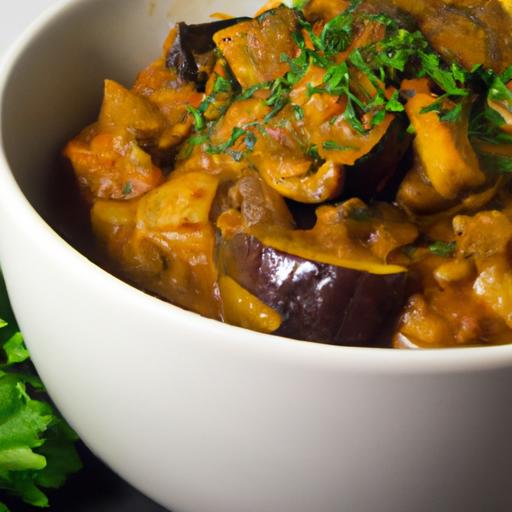

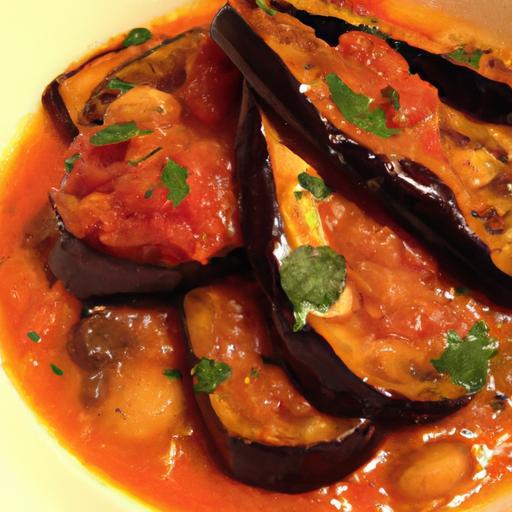
Nestled in the heart of the Mediterranean, Sicily is a land where history, culture, and cuisine intertwine in vibrant harmony. Among its many culinary treasures, one dish stands out for its bold flavors and comforting essence: Eggplant Stew Delight. This hearty stew, brimming with ripe tomatoes, fragrant herbs, and tender eggplants, captures the soul of Sicilian cooking-a festivity of simplicity, freshness, and passion. In this article, we invite you to savor Sicily through each spoonful of this beloved stew, exploring its rich heritage, the regional ingredients that bring it to life, and the timeless techniques that make it a staple on Sicilian tables. Join us on a flavorful journey that reveals why this humble dish is much more than just a stew-it’s a taste of Sicilian heart and history.
savor Sicily’s sun-drenched bounty through its iconic eggplant stew, a heartwarming dish that encapsulates the terraced hills and coastal breeze of this Mediterranean gem. This recipe brings forward the exquisite harmony of smoky, tender eggplants, ripe tomatoes, and aromatic herbs-each bite a tribute to centuries-old Sicilian culinary tradition.Growing up amid Sicily’s golden fields, I remember my Nonna’s kitchen filled with the intoxicating aroma of simmering vegetables and fresh basil, her hands gently folding this dish into every family gathering. Today,crafting this stew invites you to connect with the island’s vibrant heritage and bring a rustic,soulful flavor straight to your table.
Prep and Cook Time
- Readiness: 20 minutes
- Cooking: 45 minutes
- Total Time: 1 hour 5 minutes
Yield
Serves 4 generous portions
Difficulty Level
Medium – Ideal for excited home cooks ready to embrace authentic Sicilian flavors.
Ingredients
- 2 large Sicilian eggplants, cut into 1-inch cubes
- 4 tbsp extra-virgin olive oil, divided
- 1 medium yellow onion, finely chopped
- 4 garlic cloves, minced
- 2 cups ripe plum tomatoes, peeled and chopped (or canned San Marzano tomatoes)
- 1/2 cup dry white wine (optional but recommended)
- 1 tsp crushed red pepper flakes (adjust to taste)
- 1 tsp sweet paprika
- 1 tsp dried oregano
- 1/4 cup fresh basil leaves, torn
- Salt and freshly ground black pepper to taste
- 2 tbsp capers, rinsed (optional, for briny depth)
- 1/4 cup toasted pine nuts (for garnish)
- Grated Pecorino Siciliano or parmigiano-Reggiano, for serving (optional)
Instructions
- Begin by salting the eggplant cubes lightly and placing them in a colander for 20 minutes to draw out bitterness.Rinse and pat dry thoroughly with paper towels.
- Heat 2 tablespoons of extra-virgin olive oil in a large skillet over medium heat. Add the eggplant cubes in batches and sauté until golden and softened, about 6-8 minutes, stirring occasionally to avoid sticking. Set aside.
- In the same skillet, add the remaining 2 tablespoons of olive oil. sauté the finely chopped onion until translucent, about 5 minutes.
- Add the minced garlic and cook for another 1 minute until fragrant.
- Pour in the dry white wine and let it reduce by half,scraping the pan bottom to lift any caramelized bits.
- Stir in the chopped tomatoes,crushed red pepper flakes,paprika,and oregano. Simmer gently for 15 minutes, allowing the flavors to meld and the sauce to thicken.
- Return the sautéed eggplant to the skillet. Add the capers and torn basil leaves. Stir carefully to combine and cook for an additional 10 minutes on low heat, seasoning with salt and pepper to taste.
- Remove from heat and let the stew rest for 5 minutes before serving, allowing the flavors to deepen.
Chef’s Notes
- Variation: For a heartier stew, add diced zucchini or bell peppers along with the eggplant to embrace more regional flavors.
- Substitution: If fresh plum tomatoes aren’t available, canned high-quality tomatoes work beautifully; just make sure to drain excess liquid for a thicker stew.
- Make-Ahead Tip: This stew tastes even better the next day, so feel free to prepare it in advance and gently reheat before serving.
- Salt smart: Eggplants vary in bitterness,so don’t skip salting them or your stew might taste harsh.
- Cookware Tip: Use a heavy-bottomed skillet or Dutch oven to prevent scorching and promote even cooking.
Serving Suggestions
This eggplant stew shines served atop rustic sicilian country bread, toasted to soak up every luscious drop.Garnish with a sprinkle of toasted pine nuts and freshly grated Pecorino Siciliano or Parmigiano-Reggiano. For a customary touch, accompany with a wedge of Sicilian focaccia and a drizzle of vibrant extra-virgin olive oil. A fresh green salad of arugula and shaved fennel pairs beautifully to balance the stew’s richness.
Pairing Sicilian eggplant Stew with Local Wines and Breads
The depth of this stew harmonizes beautifully with the crisp acidity of a Sicilian Nero d’Avola, offering supple tannins and dark fruit notes that complement the smoky eggplant. Traditional breads like pane carasatu, a sardinian flatbread, or a crunchy ciabatta round out the experience with rustic, chewy texture.
| Nutrient | Per Serving |
|---|---|
| Calories | 210 kcal |
| Protein | 4 g |
| Carbohydrates | 18 g |
| Fat | 14 g |

Q&A
Q&A: Savor Sicily – The Rich Flavors of Eggplant Stew Delight
Q1: What makes Sicilian eggplant stew so special compared to other Mediterranean dishes?
A1: Sicilian eggplant stew is a vibrant mosaic of the island’s history and culture, blending rustic simplicity with bold, aromatic flavors. Unlike other Mediterranean dishes, it harmonizes the natural bitterness of eggplant with the sweetness of sun-ripened tomatoes, the tang of capers, and the briny punch of olives-all ingredients that tell the story of Sicily’s sunny, fertile landscape and its diverse culinary influences.
Q2: Which ingredients are essential to an authentic Sicilian eggplant stew?
A2: At its heart, the stew calls for tender, golden-fried eggplants, ripe tomatoes bursting with flavor, fragrant garlic, and an herbaceous touch of fresh basil or oregano. Capers and Sicilian olives introduce that salty zing characteristic of the region. Sometimes, a splash of red wine or vinegar adds depth and brightness, while a sprinkle of local pecorino completes the rustic masterpiece.
Q3: How is the eggplant prepared to achieve that perfect texture in the stew?
A3: The secret lies in gentle handling. Eggplants are typically salted and left to drain to remove bitterness and excess moisture, then fried or sautéed until golden and slightly crispy on the edges. This process ensures the eggplant holds its shape while soaking up the stew’s rich tomato base, resulting in a tender yet robust bite that melts in your mouth.
Q4: Does the stew have any particular significance in Sicilian culture?
A4: Absolutely! Eggplant is a humble ingredient elevated through centuries-old traditions, symbolizing the ingenuity and resourcefulness of Sicilian home cooks. This stew is frequently enough a comforting dish shared among family, especially during harvest seasons when fresh produce is abundant. It’s a celebration of the island’s bounty and a testament to the joy of slow, soulful cooking.
Q5: Can this dish be adapted for different dietary preferences?
A5: Certainly! While the classic stew is already naturally vegetarian and vegan, you can customize it with the addition of legumes for protein or serve it as a hearty side to grilled fish or roasted meats. For gluten-free diets, it pairs beautifully with polenta or crusty gluten-free bread, making it a versatile delight for any table.
Q6: What drinks complement the flavors of Sicilian eggplant stew?
A6: A crisp white wine from Sicily, such as Grillo or Vermentino, beautifully accentuates the stew’s herbal and savory notes. For a non-alcoholic option, try a sparkling citrus-infused water or a chilled lemon-mint tea that refreshes the palate and balances the stew’s rich, earthy layers.Q7: How can one bring a taste of Sicilian tradition into their own kitchen with this dish?
A7: embrace fresh, high-quality ingredients and don’t rush the process-let the stew simmer slowly to marry the flavors. pair cooking with stories about Sicily’s sunlit hills and sea breezes to ignite your senses. Above all, savor each spoonful with gratitude, for this dish is more than just food-it’s a flavorful journey to the heart of Sicily.
Insights and Conclusions
As the sun sets over Sicily’s rugged coastline,the lingering aroma of eggplant stew tells a story of tradition,passion,and the island’s vibrant culinary heritage. this humble dish, rich with layers of flavor and history, invites you to experience more than just a meal-it’s a true celebration of Sicily’s soul. Whether you’re a seasoned gourmand or a curious traveler, savoring this stew is a delicious way to connect with the island’s heart and the generations who’ve perfected its recipe. So next time you crave a taste of Sicily,remember: a bowl of eggplant stew isn’t just food-it’s an invitation to savor culture,warmth,and timeless delight.