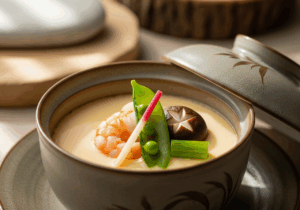

In the world of Japanese cuisine, few dishes embody the delicate balance of simplicity and sophistication quite like chawanmushi. This silky,savory egg custard whispers stories of tradition with every spoonful,inviting diners into a realm where texture and flavor dance harmoniously.Crafted from a subtle blend of eggs, dashi broth, and an array of carefully chosen ingredients-from succulent shrimp to earthy shiitake mushrooms-chawanmushi transcends mere sustenance to become an artful expression of Japanese culinary finesse. Join us as we delve into the silky secrets behind this beloved dish, uncovering its origins, techniques, and the cultural nuances that make chawanmushi a cherished treasure in Japan’s gastronomic landscape.
Silky Secrets of Chawanmushi: Japan’s Savory Egg Custard reveals the delicate balance of texture and taste that makes this traditional Japanese dish truly unforgettable.Originating from ancient Kyoto courts, chawanmushi’s smooth custard contrasts gently with its savory additions, evoking a harmony that’s both comforting and sophisticated. My first experience crafting this dish at home was an epiphany-a subtle yet elegant play of eggs, dashi broth, and umami flavors that redefined simplicity in cooking.
Prep and Cook Time
Planning: 15 minutes | Cooking: 25 minutes | total: 40 minutes
Yield
4 servings
Difficulty Level
Medium – requires attention to technique but accessible for confident home cooks
Ingredients
- 3 large eggs,gently beaten
- 2 cups dashi broth (preferably homemade or quality instant dashi powder dissolved in water)
- 1 tsp soy sauce
- 1 tsp mirin
- ¼ tsp salt
- 4 shiitake mushrooms,thinly sliced
- 4 small cooked shrimp,peeled and deveined
- ½ cup cooked chicken breast,shredded (optional)
- 4 gingko nuts (optional,for traditional authenticity)
- Chopped mitsuba leaves or thinly sliced green onions,for garnish
- Yuzu peel or a thin lemon zest strip (optional garnish for aroma)
Step-by-Step Guide to Mastering Silky Secrets of Chawanmushi
- Prepare the custard base: In a bowl,beat the eggs slowly to avoid raising to many air bubbles,which affect the custard’s smoothness. Set aside.
- Combine liquids: Gently heat the dashi broth until warm but not boiling. Whisk in the soy sauce, mirin, and salt, blending these into the broth.
- Mix broth with eggs: Slowly add the warm broth mixture to the beaten eggs, stirring gently to combine. Strain the combined mixture through a fine sieve into another bowl to ensure an ultra-smooth custard base free from lumps or chalaza strands.
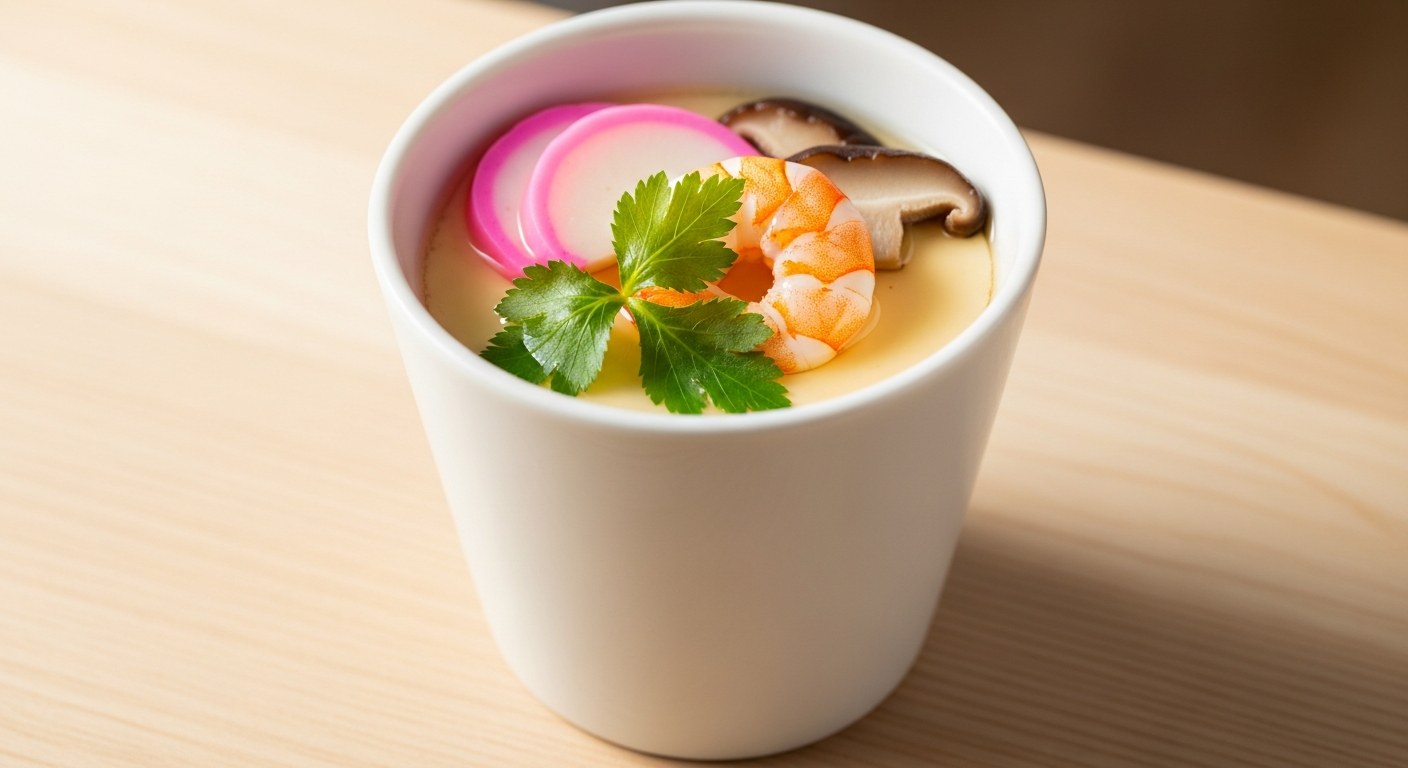
- Prepare ramekins or traditional chawan cups: Arrange a few slices of shiitake mushroom, a shrimp, and a gingko nut in each vessel.
- Pour the custard mixture gently: Over the savory fillings, pour the strained custard base until it’s about ¾ full.
- Steam with care: Cover each cup with foil or a lid to prevent condensation from dripping onto the custard surface. Steam over low heat-ideally around 70-80°C (160-175°F)-for 20-25 minutes. Use a thermometer if possible to maintain consistent temperature and prevent curdling.
- Check for doneness: A perfect custard is silky and jiggles slightly when nudged; a toothpick inserted should come out clean but moist.
- Garnish and serve: Carefully remove the lids. Garnish with fresh mitsuba leaves or green onions and a curl of yuzu peel for aromatic lift.
Tips for Success with Silky Secrets of Chawanmushi
- Use fresh, high-quality eggs and top-tier dashi broth since these are the foundation of your dish’s flavor and texture.
- Be patient with steaming and control the heat. Too high a temperature creates bubbles and cracks in the custard’s silky surface.
- Straining the egg mixture is a must-it’s the secret to achieving that legendary,velvety silken texture.
- Customize your chawanmushi by switching proteins like crab, white fish, or even seasonal vegetables like spinach or bamboo shoots.
- Advance prep tip: The custard base can be refrigerated overnight, but avoid steaming until right before serving for peak silky perfection.
Pairing Silky Secrets of Chawanmushi with Japanese Cuisine
Chawanmushi pairs exquisitely with delicate flavors found in Japanese cuisine, acting as a gentle palate cleanser or an elegant appetizer. Its soft, savory profile complements the clean notes of sashimi, the crunch of tempura, and the subtle fermentation of pickled vegetables. For a complete dining experience, serve alongside steamed rice and a light miso soup. A crisp, mineral-forward sake or green tea highlights the umami-rich custard beautifully.
Serving Suggestions
Serve chawanmushi in elegant lidded cups to retain warmth and enhance presentation. Add a refined touch by placing a leaf of fresh mizuna or edible flowers on top. For texture contrast, a sprinkle of toasted sesame seeds or finely chopped fresh chives adds a subtle crunch and color pop.

| Nutrition (per serving) | Calories | Protein | Carbs | Fat |
|---|---|---|---|---|
| Chawanmushi | 110 | 9g | 3g | 6g |
For readers seeking to elevate their culinary repertoire further, explore our guide on Japanese steaming methods. Additionally, discover in-depth facts on the cultural background of chawanmushi with Japan Guide’s authoritative insights.
Q&A
Q&A: Silky Secrets of Chawanmushi – Japan’s Savory Egg Custard
Q1: What exactly is chawanmushi?
A1: Chawanmushi is a traditional Japanese savory egg custard, steamed to silky perfection. The name literally means “steamed in a teacup” (chawan = teacup, mushi = steamed), a nod to the delicate vessels that cradle this smooth, flavorful dish. Unlike sweet custards, chawanmushi is a gentle, umami-rich blend of eggs, dashi broth, soy sauce, and mirin, often hiding tender surprises like shrimp, chicken, mushrooms, and ginkgo nuts beneath its glossy surface.
Q2: What gives chawanmushi its signature silky texture?
A2: The secret to chawanmushi’s famous silkiness lies in the cooking method and ratio of ingredients.A careful whisking of eggs with a precise amount of dashi (Japanese soup stock) creates a thin, velvety batter. This mixture is steamed gently over low heat, sometimes in a water bath, preventing curdling and ensuring a custard that’s tender and pudding-like-soft enough to melt on your tongue, yet sturdy enough to hold its shape.
Q3: Is chawanmushi served hot or cold?
A3: Traditionally, chawanmushi is served warm or hot, allowing its soothing aroma and creamy texture to shine, especially in cooler seasons. Tho, modern variations also present it chilled as a refreshing appetizer during summer months. Both temperatures celebrate its delicate flavor, though the warm version remains the classic favorite.
Q4: What ingredients are commonly hidden inside chawanmushi?
A4: Beneath its glossy surface, chawanmushi often conceals a miniature treasure trove of ingredients-bite-sized morsels of shiitake mushrooms, succulent shrimp, tender chicken pieces, sweet ginkgo nuts, and sometimes kamaboko (fish cake). These elements add layers of taste and texture, transforming the custard into a symphony of subtle flavors.Q5: How does chawanmushi reflect Japanese culinary philosophy?
A5: chawanmushi embodies the Japanese culinary ethos of simplicity, seasonality, and harmony. It highlights subtlety over boldness, making every ingredient shine in quiet elegance. By marrying delicate technique with umami-rich ingredients, it celebrates seasonal bounty and treats humble eggs with reverence, transforming them into a dish that’s both comforting and refined.
Q6: Can chawanmushi be made at home by beginners?
A6: Absolutely! While it might look deceptively fancy, chawanmushi is surprisingly approachable for home cooks.The key is mastering the delicate steaming process and balancing the egg-to-dashi ratio. With patience and attention to gentle heat, even beginners can create this silky custard magic in their own kitchens-unlocking a slice of Japanese tradition in every spoonful.
Q7: Are there regional variations of chawanmushi in Japan?
A7: Yes! Japan’s diverse culinary landscape births regional interpretations of chawanmushi. Some areas enhance it with local seafood; others swap in unique mushrooms or seasonal ingredients.For example,in Kyoto,you might find a version enriched with yuba (tofu skin),while coastal regions add ocean-fresh bites,reflecting their distinct flavors and cultural identity.
Q8: How is chawanmushi typically enjoyed in a Japanese meal?
A8: Chawanmushi frequently enough features as a subtle interlude within a multi-course kaiseki meal or as a comforting appetizer in everyday dining. Its gentle flavor cleanses the palate and preps it for richer tastes to follow. Whether in a traditional tea house or a cozy home kitchen, chawanmushi invites diners into a moment of calm savoring-a silky secret of Japan’s culinary heart.
Future Outlook
As the delicate steam rises from a perfectly crafted bowl of chawanmushi, we are reminded that this humble egg custard is much more than a dish-it’s a silky testament to Japan’s artful balance of flavor, texture, and tradition.Beneath its smooth surface lies a world of subtle umami whispers and carefully chosen ingredients, each bite inviting you to slow down and savor the quiet elegance of Japanese cuisine. Whether enjoyed in a bustling Tokyo eatery or crafted lovingly at home, chawanmushi continues to quietly captivate palates, proving that sometimes, the simplest secrets hold the richest stories. So next time you scoop into this savory custard,remember: you’re tasting centuries of culinary care,one silky spoonful at a time.