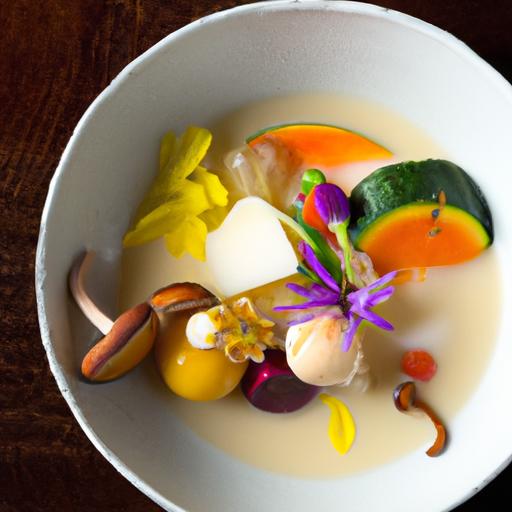

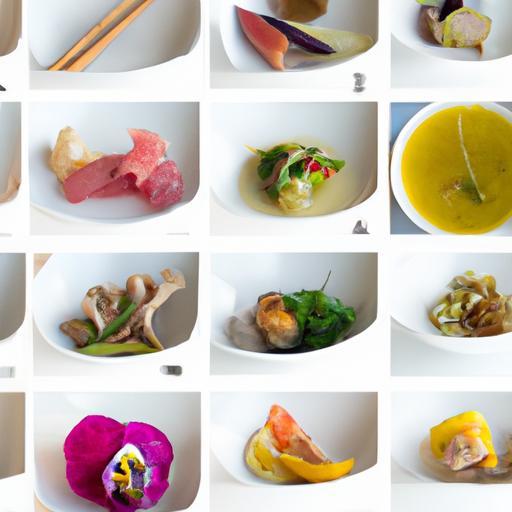
In the intricate tapestry of Japanese cuisine,where every dish tells a story of nature’s bounty and cultural harmony,Suimono stands out as a shimmering gem. Often overlooked in favor of more robust flavors, this delicate clear soup embodies the essence of subtlety and refinement. “Suimono Secrets: Exploring Japan’s Delicate Clear Soup Tradition” invites you on a culinary journey into a world where simplicity meets sophistication, where the purity of ingredients and the artistry of preparation come together to create a profound sensory experience. Join us as we unravel the history, techniques, and cultural importance behind this understated masterpiece that continues to captivate palates and preserve a timeless tradition.
Suimono secrets lie in their ethereal clarity and delicate flavor, embodying the essence of Japanese culinary elegance. This light, clear broth is more than just a soup; it is indeed a refined symphony of subtle ingredients that sparkle with purity, inviting you to appreciate the art of simplicity. Originating from centuries-old traditions, suimono showcases how minimalism in cooking can highlight the freshest seasonal ingredients, making each sip a celebration of nature’s finest tastes.
Prep and Cook Time
- Preparation: 15 minutes
- Cooking: 20 minutes
- Total Time: 35 minutes
Yield
Serves 4 elegantly portioned bowls
Difficulty Level
Medium – requires attention to technique to achieve perfect clarity and balance
Ingredients
- 6 cups dashi stock (preferably kombu and bonito-based, strained)
- 2 tablespoons light soy sauce (usukuchi)
- 1 tablespoon mirin
- ½ teaspoon fine sea salt
- 100 grams seasonal white fish fillet or tofu, cut into bite-sized pieces
- 4 sprigs mitsuba (Japanese wild parsley) or fresh cilantro for garnish
- 4 thin slices yuzu peel or lemon zest for a citrus hint
- Optional: Enoki mushrooms or delicate baby greens (e.g., pea shoots)
Instructions
- Prepare the Dashi: Warm the dashi stock over medium heat. Ensure it is clear and freshly strained to achieve the hallmark openness essential to suimono secrets.
- Season the Broth: Gently stir in the light soy sauce, mirin, and sea salt. Taste and adjust seasoning carefully – remember, subtlety is key.
- Add Main Ingredients: Slowly slide the fish or tofu pieces into the broth. Simmer gently for 3-5 minutes until just cooked through, taking care to avoid boiling which can cloud the broth.
- Prepare Garnishes: While the broth simmers, lightly blanch the mitsuba and mushrooms if using, then drain thoroughly.
- Serve: Ladle the clear broth into warmed bowls,evenly distributing the fish or tofu.Artfully place mitsuba sprigs, yuzu peel, and mushrooms atop each bowl for visual and aromatic delight.
- Final Touch: Serve immediately to enjoy the pristine clarity and fleeting aromatic notes of the soup at their peak.
Tips for Success
- Clarity is paramount: Use a fine strainer when making dashi to remove all sediments and natural oils. Skim foam or impurities during simmering.
- Ingredient quality matters: Suimono secrets depend on the freshness of fish,herbs,and dashi components. Sourcing top-grade kombu and bonito flakes elevates flavor.
- Gentle heat: Avoid boiling the broth once seasoned to maintain clarity and delicate flavor balance.
- Seasonal variations: Swap fish for fresh shellfish or substitute with silken tofu in winter for warming comfort.
- Make ahead: Prepare dashi and broth in advance but add garnishes fresh to retain texture and visual appeal.
Serving Suggestions
Present suimono in minimalist,lacquer-style bowls to showcase the liquid’s sparkling purity. Pair with steamed rice and light sashimi for a sublime Japanese kaiseki experience. Garnish with a single vibrant mitsuba leaf and a whisper of yuzu rind to engage the senses.
For a seasonal twist, try adding delicate bamboo shoots in spring or chestnut slices in autumn, deepening the connection between soup and nature’s cycle.

| Nutrient | Per Serving |
|---|---|
| Calories | 85 kcal |
| Protein | 10 g |
| Carbohydrates | 2 g |
| Fat | 1 g |
For an in-depth guide to preparing perfect dashi stock, explore our detailed tutorial. To understand the cultural roots of suimono, the Japan National Tourism Organization offers excellent resources.
Q&A
Q&A: Suimono Secrets - Exploring Japan’s Delicate Clear Soup Tradition
Q1: What exactly is Suimono?
A1: Suimono is a traditional Japanese clear soup, celebrated for its subtlety and refined simplicity. Unlike heartier broths, Suimono is all about clarity-both in flavor and appearance. It showcases expertly balanced dashi (a light stock), gentle seasonings, and minimal garnishes, evoking a sense of calm and purity in every sip.
Q2: How does Suimono differ from other Japanese soups like miso or ramen?
A2: While miso soup is rich with fermented soybean paste and ramen bursts with complex, frequently enough heavy flavors and noodles, Suimono is almost ethereal.Its essence lies in restraint-using clear dashi without miso, soy sauce, or thickening agents. It feels like a delicate whisper compared to the bold statements of its cousins.
Q3: What are the core ingredients that make Suimono special?
A3: At its heart,Suimono relies on pristine dashi made from kombu (kelp) and katsuobushi (bonito flakes). This broth is clear, shimmering, and deeply umami. To this,chefs add subtle seasonings like a touch of salt or sake,and garnishes such as thinly sliced mushrooms,yuzu peel,mitsuba leaves,or small seafood morsels-each element chosen to enhance,not overpower.
Q4: Is Suimono served hot or cold?
A4: Traditionally, Suimono is served hot, often as part of a multi-course kaiseki meal. Its warmth is gentle, comforting, and designed to cleanse the palate between dishes. In some modern or seasonal variations, cold Suimono may appear, refreshing and light for warm weather.
Q5: What cultural significance does Suimono hold in Japan?
A5: Suimono represents elegance and mindfulness in Japanese cuisine. Its simplicity reflects the aesthetic of wabi-sabi-the beauty of imperfection and transience-inviting diners to savor clarity and natural freshness. It often surfaces during formal meals or ceremonies, symbolizing respect for ingredients and the moment.
Q6: Can a home cook make authentic suimono?
A6: Absolutely! Though precision matters, making Suimono at home is a rewarding practice. Starting with quality dashi is key; homemade stock yields the best results, but good instant dashi can suffice. keep seasonings light and garnishes delicate. Remember, it’s about subtlety-taste gently, adjust sparingly.
Q7: What are some modern twists on Suimono?
A7: Contemporary chefs experiment by incorporating seasonal or regional ingredients, like rare mushrooms, delicate herbs, or innovative seafood selections. Some also infuse the broth with subtle floral notes from sakura or yuzu blossoms, or combine Suimono’s clarity with fusion flavors-yet always holding fast to the principle of balance.
Q8: Why should food lovers explore Suimono?
A8: In an era of bold, busy flavors, Suimono offers a quiet refuge. It teaches us to appreciate nuance, the harmony of natural tastes, and the artistry of minimalism. Exploring Suimono deepens one’s understanding of Japanese culture and culinary beliefs,inviting a mindful experience with every spoonful.
Embrace the subtle art of Suimono-a clear soup that’s anything but simple, where every drop tells a story of tradition, nature, and culinary finesse.
To Wrap it Up
As the final swirl of Suimono’s crystal-clear broth settles, we come to appreciate not just a soup, but a delicate dance of nature, culture, and meticulous craftsmanship.This ancient tradition, whispered through generations, invites us to savor simplicity in its purest form-a fleeting moment where flavor, fragrance, and artistry converge in a translucent embrace. Exploring Suimono is more than tasting a dish; it’s immersing oneself in japan’s profound respect for balance and subtlety, reminding us that sometimes, the most profound experiences are those quietly shimmering beneath the surface.