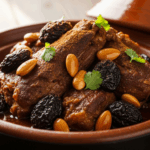


In the world of culinary treasures, few dishes command as much passion and reverence as biryani-a harmonious symphony of fragrant rice, tender meat, and a mosaic of spices, each layer telling a story of tradition and taste. But behind every memorable biryani lies an unsung hero: the pot that transforms raw ingredients into a rich, aromatic masterpiece. Welcome to the journey of “The Ultimate Biryani Pot,” where craftsmanship meets flavor, and every curve and contour plays a pivotal role in crafting that perfect, soul-satisfying dish. Join us as we uncover how the ideal biryani pot not only holds ingredients but also nurtures the alchemy of heat and aroma,elevating biryani-making from a simple recipe to an art form.
the Ultimate Biryani Pot: Crafting Flavor in Every Layer is about more than just cooking; it’s an art form that celebrates tradition, aroma, and texture. Selecting the right biryani pot material sets the foundation for an unforgettable culinary journey. Whether it’s the earthy charm of clay or the sleek precision of stainless steel, your choice influences heat distribution and aroma retention, key to elevating every grain of rice to perfection.
Prep and Cook Time
- Preparation: 30 minutes
- Cooking: 1 hour 15 minutes
Yield
Serves 6 generous portions
Difficulty Level
Medium – ideal for home cooks ready to elevate their biryani-making skills
Ingredients
- 3 cups Basmati rice,soaked for 30 minutes
- 1.5 lbs chicken,cut into medium pieces
- 2 large onions,thinly sliced
- 4 tbsp vegetable oil or ghee
- 1 cup yogurt,whisked
- 2 tbsp ginger-garlic paste
- 2 large tomatoes,finely chopped
- 1/4 cup fresh mint leaves
- 1/4 cup fresh coriander leaves
- 2 tsp garam masala
- 2 tsp red chili powder
- 1 tsp turmeric powder
- 4 green cardamom pods
- 4 cloves
- 2 bay leaves
- 1 cinnamon stick (2 inch)
- 1 tsp saffron strands,soaked in 1/4 cup warm milk
- Salt,to taste
- 3 cups water or as required
Instructions
- Prepare the Rice: Rinse the soaked basmati rice until the water runs clear. Boil 3 cups of water in your chosen biryani pot. Add salt, bay leaves, cardamom, cloves, and cinnamon. Add the rice and cook until it’s 70% done-grains should be firm but not fully cooked. Drain and set aside.
- Sauté the Onions and Chicken: In the same pot, heat oil or ghee over medium heat. Add sliced onions and sauté until golden brown, about 8 minutes. Remove half for garnish. add ginger-garlic paste and cook until aromatic, about 2 minutes.
- Build the Masala Base: Add chopped tomatoes,turmeric,red chili powder,garam masala,and salt. Cook until the oil separates from the masala, about 10 minutes. Incorporate the chicken pieces and cook for 15 minutes, allowing spices to deeply infuse. Stir occasionally to avoid sticking.
- Layering the Biryani: Spread half the cooked rice evenly over the chicken masala. Sprinkle half the mint, coriander leaves, and half the fried onions. drizzle half the saffron milk. Repeat wiht remaining rice, herbs, onions, and saffron milk for a fragrant crown of flavor.
- Dum Cooking – Sealing the Flavors: Cover the pot with a tight-fitting lid or seal with dough to trap steam. Place a heavy pan or griddle (tawa) on medium heat and set the biryani pot on top to avoid direct heat. Cook on low heat for 30-40 minutes to allow flavors to marry, steam to circulate, and moisture to infuse every grain.
- Rest and Serve: Switch off heat and let the biryani rest for 10 minutes before gently fluffing the layers with a fork. This helps retain aroma and ensures each grain is perfectly coated with spices and moisture.
Tips for Success: Choosing the Perfect Biryani Pot Material
Clay pots, known for their porous nature, breathe during cooking, imparting an earthy aroma that is hard to replicate. Thay also retain heat evenly, delivering a slow, steady cooking process that enhances flavor layering. Stainless steel pots are durable and ideal for precise temperature control but may require tempered patience to prevent burning. For metal pots, always use a tawa or heat diffuser to master heat distribution and protect the spices from acrid scents. Avoid non-stick pots for traditional biryani to retain authentic aroma and texture.
Essential Care tips to Preserve Your Biryani Pot’s Longevity
After cooking, allow clay pots to cool naturally. Avoid drastic temperature changes to prevent cracking. Clean gently with warm water and a soft brush, skipping harsh detergents that strip the pot’s seasoning. Stainless steel pots fare well with a vinegar-water soak to remove stuck-on residues. Regular seasoning enhances clay pots’ durability and amplifies flavor with each use.
Serving Suggestions
Serve your biryani with a side of cool raita made from cucumber and mint, and a crisp salad of julienned onions, lemon wedges, and fresh coriander. Garnish with extra fried onions and a sprinkle of chopped mint for an inviting presentation. A warm,flaky naan or paratha completes this aromatic feast beautifully.
| Nutrient | Per Serving |
|---|---|
| Calories | 560 kcal |
| Protein | 38 g |
| Carbohydrates | 60 g |
| fat | 18 g |
Mastering Basmati Rice Cooking Techniques can further refine your rice skills, essential for any biryani enthusiast. For detailed insights on pot materials, The Culinary Institute of America offers excellent expertise on cookware and heat distribution.

Q&A
Q&A: The Ultimate Biryani Pot – Crafting Flavor in Every Layer
Q1: What makes a pot the “ultimate” choice for cooking biryani?
A1: The ultimate biryani pot is more than just a vessel; it’s the sacred stage where aroma,heat,and tradition intermingle. Ideally, it’s made from thick-bottomed materials like heavy-duty clay, cast iron, or seasoned brass that distribute heat evenly, allowing each layer of rice and meat to cook harmoniously without burning. This even heat retention is essential to coax out the complex, slow-cooked flavors unique to a great biryani.
Q2: Why is the material of the pot so important in biryani preparation?
A2: The material dictates how heat travels through the pot and how moisture is retained.Clay pots breathe and retain just enough steam, infusing the rice with earthy undertones while preventing sogginess.Cast iron pots, conversely, excel at maintaining steady heat throughout the lengthy cooking process, ensuring that every grain absorbs the richness of spices and marinated meat. The wrong material can lead to uneven cooking or a loss of those delicate layered flavors.
Q3: How does the pot influence the layering of biryani?
A3: Biryani’s signature comes from its carefully constructed strata, alternating spiced meat and fragrant rice. The pot serves as the canvas for this culinary art. A well-sealed, heavy-lidded pot traps steam, which gently melds the layers, while a thick base prevents scorching. This balance ensures that the saffron-hued rice, caramelized onions, and tender meat meld into a symphony of flavors-each layer distinct yet united.
Q4: Can the size and shape of the pot impact the biryani?
A4: Absolutely. A wider pot allows steam to circulate better, helping the rice cook uniformly, while a deeper pot might require more attention to prevent the bottom from burning. Choosing the right size ensures that the meat and rice layers aren’t overcrowded, which could result in uneven cooking.Traditional round pots are preferred since they encourage heat distribution and lend that classic biryani texture.
Q5: How do you care for and maintain your biryani pot to enhance flavor over time?
A5: Just like a good recipe,a biryani pot thrives on attention and care.Clay pots benefit from seasoning-soaking in water before use and curing with oil-to build a natural non-stick surface and enrich their earthy essence.Cast iron pots require regular seasoning and drying to prevent rust and maintain their heat-holding prowess. Over time, a well-used pot builds character, subtly enhancing your biryani’s depth of flavor with every cook.
Q6: Is it possible to use everyday cooking pots for biryani, or should one invest in a special biryani pot?
A6: While you can cook biryani in regular pots, investing in a special biryani pot elevates the experience and results substantially. Everyday pots often lack the weight and heat-retaining qualities needed for the slow “dum” method, risking uneven cooking and flavor loss. A dedicated biryani pot’s design nuances-like a thick base and heavy lid-work silently behind the scenes, making each bite a celebration of tradition and taste.
Q7: Are there any modern innovations in biryani pots worth considering?
A7: Indeed, contemporary culinary artisans have blended tradition with innovation, introducing pots with multi-layered insulated bases and vapor-sealed lids that mimic the old-school “dum” environment while suiting modern stoves. Some even come with non-stick ceramic coatings infused with natural minerals to enhance flavor retention without compromising authenticity. These advancements aim to make the craft of layered biryani accessible without sacrificing soul.
Q8: What final advice would you give to someone looking to master biryani using the ultimate pot?
A8: Patience is your greatest ally. Invest in a pot that speaks to the essence of biryani-one that holds heat like a secret and breathes life into layers of rice and spices. Respect the pot’s needs: season it, handle it gently, and listen to the steam’s whisper as the flavors meld. The ultimate biryani pot isn’t just cookware; it’s your co-chef in crafting a dish where every layer tells a story of heritage,craft,and passion.
In Retrospect
As the final steam rises from your perfectly crafted biryani pot, you realise that this humble vessel is more than just cookware-it’s a keeper of tradition, a conduit of flavor, and an artist’s canvas where each layer tells a story. Mastering the art of the ultimate biryani pot means embracing patience, precision, and passion, allowing every grain of rice and morsel of meat to harmonize in a fragrant symphony. So whether you’re a seasoned chef or an adventurous home cook, let your biryani pot be the stage where culture, craft, and flavor unite-because in every carefully layered pot lies not just a meal, but a celebration of heritage and heart.