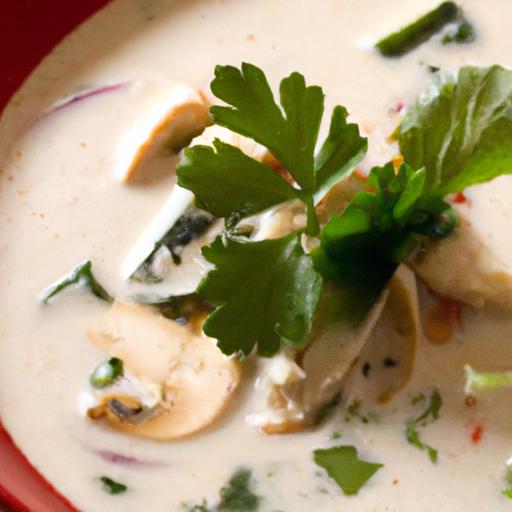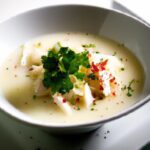

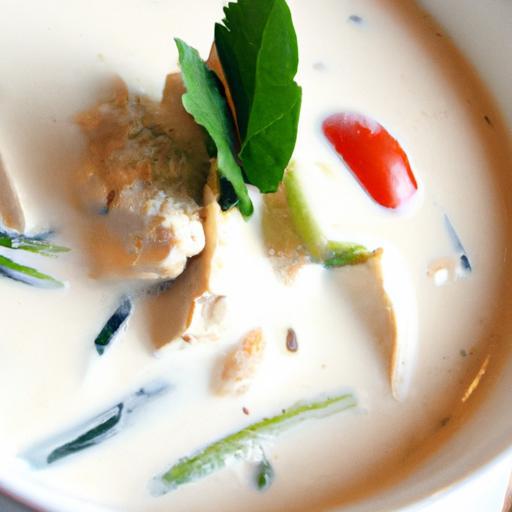
Steeped in the vibrant flavors of Thailand’s culinary heritage, Tom Kha Gai stands as a comforting embrace in a bowl-where creamy coconut milk meets the sharp tang of galangal and the gentle heat of fresh chilies. More than just a soup, this iconic dish tells a story of balance: rich yet light, spicy yet soothing, and deeply aromatic yet refreshingly clean. As we dive into the heart of Tom Kha Gai, we unravel the layers of ingredients and traditions that make this coconut chicken soup not only a beloved staple in Thai kitchens but also a captivating experience for adventurous palates worldwide. Join us on a journey through the lush landscapes of flavor that define Thailand’s creamy coconut chicken soup.
Origins and Cultural Meaning of Tom kha Gai in Thai Cuisine
Tom Kha Gai is a beloved Thai classic that embodies the perfect harmony of fragrant herbs and the rich creaminess of coconut milk. This iconic soup has roots deeply ingrained in central Thailand’s culinary heritage, celebrated as a comforting yet vibrant dish that’s both soothing and invigorating. Traditionally enjoyed during cooler months or when feeling under the weather, Tom Kha Gai’s delicate balance of sour, spicy, sweet, and creamy notes reflects the Thai philosophy of flavor layering.
Its name translates literally to “boiled galangal chicken,” highlighting galangal as the aromatic hero distinguishing it from similar soups like Tom Yum. Historically,this soup was served in royal courts and village homes alike,symbolizing nourishment and hospitality. Today, Tom Kha Gai remains a staple across Thai restaurants worldwide, cherished not just for its taste but for its cultural representation of warmth and care.
Key Ingredients That Bring Authentic Flavors to Life
Crafting an authentic Tom Kha Gai starts with sourcing fresh,high-quality ingredients that preserve its unique flavor profile. Among the essentials:
- Galangal: This shining, citrusy root spice brings brightness and earthy depth, distinct from ginger.
- Kaffir lime leaves: Their aromatic zestiness adds a subtle acidity and complexity.
- Thai bird’s eye chilies: For a potent but balanced heat that awakens the palate.
- Coconut milk: The creamy base essential for that luscious texture.
- Chicken breast or thigh: Tender, lean protein that soaks up the broth flavors.
- Fish sauce: Imparts umami saltiness quintessential to Thai cooking.
- Fresh lime juice: Provides a bright, tangy finish to balance richness.
- Mushrooms: Traditionally straw or oyster mushrooms, adding earthiness and texture.
- Cilantro and green onions: For fresh, herbaceous garnish.
These ingredients, when combined thoughtfully, create the profound yet gentle complexity that makes Tom Kha Gai unforgettable.
Step-by-Step Guide to Crafting the Perfect Creamy Coconut Chicken Soup
Follow these detailed instructions to master the art of making Tom Kha Gai at home. This recipe is designed to make the process approachable for cooks at any skill level.
Prep and Cook Time
- Prep Time: 15 minutes
- Cook Time: 20 minutes
- Total Time: 35 minutes
Yield
- Serves 4 hungry guests
Difficulty Level
- Easy to Medium
Ingredients
- 2 cups coconut milk (full fat for creaminess)
- 2 cups chicken stock (preferably homemade or low sodium)
- 300g chicken breast or thighs, thinly sliced
- 3 slices fresh galangal (about 1/4 inch thick)
- 4 kaffir lime leaves, torn
- 3 Thai bird’s eye chilies, lightly crushed
- 150g straw or oyster mushrooms, halved
- 3 tbsp fish sauce
- 2 tbsp fresh lime juice
- 1 tsp palm sugar or brown sugar
- 2 stalks green onions, thinly sliced
- 1/4 cup fresh cilantro leaves, roughly chopped
- Optional: a pinch of salt to taste
Instructions
- Prepare the broth: In a medium pot, combine the coconut milk and chicken stock over medium heat. Add the galangal slices, kaffir lime leaves, and bird’s eye chilies. Bring to a gentle simmer, allowing the aromatics to infuse, about 5-7 minutes.Avoid boiling to prevent the coconut milk from splitting.
- Add mushrooms and chicken: Add the mushrooms and thinly sliced chicken to the infused broth. Simmer gently until the chicken is just cooked through, approximately 5 minutes. Stir occasionally to ensure even cooking without breaking the coconut milk’s texture.
- Season thoughtfully: Stir in fish sauce, palm sugar, and adjust salt if needed. Mix well and taste, balancing salty and sweet notes. Remember the finishing lime juice will brighten the broth.
- Brighten the soup: Remove from heat and stir in fresh lime juice. This step adds a burst of acidity that harmonizes beautifully with the creamy broth and aromatic herbs.
- Final touches: Discard the galangal slices and kaffir lime leaves if desired (they are tough). Ladle the soup into bowls and garnish generously with cilantro and green onions for a fresh, vibrant finish.
Expert Tips for Customizing and Serving Tom Kha gai at Home
Tom Kha gai is wonderfully versatile and welcomes personal touches to fit your palate. Here are some chef-approved tips:
- Protein swaps: replace chicken with shrimp or tofu for a different variation.
- Heat adjustment: Control the spice level by reducing or increasing bird’s eye chilies; alternatively, use milder Thai red chilies.
- Herbal freshness: Add fresh Thai basil instead of cilantro for a fragrant, peppery twist.
- Make ahead: Prepare the broth base one day in advance. Store separately from chicken and mushrooms to keep ingredients fresh, then combine and warm before serving.
- Serving style: Accompany the soup with steaming jasmine rice or sticky rice to soak up every luscious drop.
- presentation tip: Serve in rustic, shallow bowls to highlight the creamy broth and vibrant garnishes. Use a bright lime wedge on the side for that extra zest burst.
Serving Suggestions
Present this soup as a starter or light main for a Thai-inspired feast. Pair with crisp vegetable spring rolls or a tangy papaya salad to balance the richness of the coconut milk. A chilled glass of Riesling or even a light Thai lager perfectly complements the aromatic, spicy soup.
For an authentic experience,serve with fresh lime wedges and extra fish sauce on the side to adjust flavor at the table-inviting guests to tailor their bowl boosts engagement and enjoyment.

| Nutrient | Per Serving |
|---|---|
| Calories | 320 kcal |
| Protein | 25 g |
| Carbohydrates | 10 g |
| Fat | 20 g |
For more insight into Thai flavors and recipes, explore our Thai Curry Basics article.To deepen your understanding of Thai herbs and spices, read this extensive overview by Serious Eats.
Q&A
Q&A: Tom Kha Gai – Exploring Thailand’s Creamy Coconut Chicken Soup
Q1: What exactly is Tom Kha gai?
A1: Tom kha Gai is a conventional thai soup that beautifully balances creamy coconut milk with tangy, spicy, and fragrant flavors. It centers around tender chicken (“Gai”) simmered in a fragrant broth infused with galangal (“Kha”), lemongrass, kaffir lime leaves, and fresh herbs. It’s Thailand’s answer to comfort food-both soothing and vibrant in every spoonful.
Q2: How does Tom Kha Gai differ from Tom Yum?
A2: While both are iconic Thai soups, Tom Yum is typically clear and fiery sour-spicy, whereas Tom Kha Gai is rich and creamy thanks to coconut milk.Tom Kha Gai leans into mellow warmth with its coconut base, balanced by the herbal brightness of galangal and lime, making it a more soothing and aromatic experience compared to Tom yum’s punchy heat.
Q3: What are the key ingredients that make Tom Kha Gai unique?
A3: The magic lies in its signature trifecta: galangal,coconut milk,and kaffir lime leaves. Galangal provides a citrusy, almost pine-like sharpness that’s distinct from ginger. Coconut milk lends a velvety creaminess, while kaffir lime leaves add a zesty, floral aroma. combined with fresh lemongrass, Thai chilies, lime juice, and fresh cilantro, the soup becomes an intricate dance of flavors.
Q4: Can Tom Kha Gai be made vegetarian or vegan?
A4: Absolutely! The chicken can be swapped out for tofu, mushrooms, or a medley of vegetables. just be sure to use vegetable broth rather of chicken stock and check that your coconut milk is pure and unsweetened. Some versions omit fish sauce in favor of soy sauce or tamari to keep it plant-based while retaining that essential salty depth.
Q5: What’s the best way to enjoy Tom Kha Gai?
A5: Serve it hot, ladled into bowls and paired with jasmine rice on the side to soak up the luscious broth. it works beautifully as either a starter or a light main course.The soup’s complex flavors awaken the palate, making it perfect during cooler evenings or whenever you crave a comforting yet invigorating dish.
Q6: Where did Tom Kha Gai originate, and how has it evolved?
A6: Tom Kha Gai hails from central Thailand, deeply rooted in Thai culinary traditions that emphasize balance and freshness. Over time, it has traveled worldwide and inspired countless variations, from creamy fusion bowls to lighter adaptations. Despite these twists, the soul of Tom Kha Gai remains its harmonious marriage of coconut, herbs, and gentle spice.
Q7: Are there any tips for making authentic Tom Kha Gai at home?
A7: Use fresh ingredients whenever possible-fresh galangal, lemongrass stalks, and kaffir lime leaves make all the difference.Don’t rush the simmering; letting the herbs steep will fully bloom their aromas. And balance your flavors patiently: adjust lime juice, fish sauce, and chili to suit your taste-Thai cooking is all about harmony, not rigidity.
Q8: Why does Tom Kha Gai feel both exotic and comforting?
A8: It’s the perfect paradox: exotic due to its unique herbs and spices rarely found outside Southeast Asia,yet comforting as of its creamy texture and soothing warmth. It invites adventurous eaters to explore new tastes while enveloping them in a cozy, familiar embrace-making it a timeless classic in global cuisine.
Whether you’re a Thai food aficionado or a curious culinary explorer, Tom Kha Gai offers a delicious journey into the heart of Thailand’s rich, aromatic flavors. One spoonful transports you to bustling street markets and serene kitchens, all wrapped in a creamy, fragrant hug.
To Wrap It Up
As the final spoonful of Tom Kha Gai lingers on your palate, you’re left with more than just the comforting warmth of coconut milk and tender chicken-you carry a taste of Thailand’s rich culinary heritage. This fragrant soup,with its harmonious blend of spicy,sour,and creamy notes,invites both the novice and the seasoned food lover to experience a dish that is as nurturing as it is indeed vibrant. Whether enjoyed in a bustling Bangkok market or crafted lovingly in your own kitchen, Tom Kha Gai offers a flavorful glimpse into the soul of Thai cuisine-a reminder that sometimes, the simplest ingredients, when combined with care and tradition, create a masterpiece worth savoring again and again.