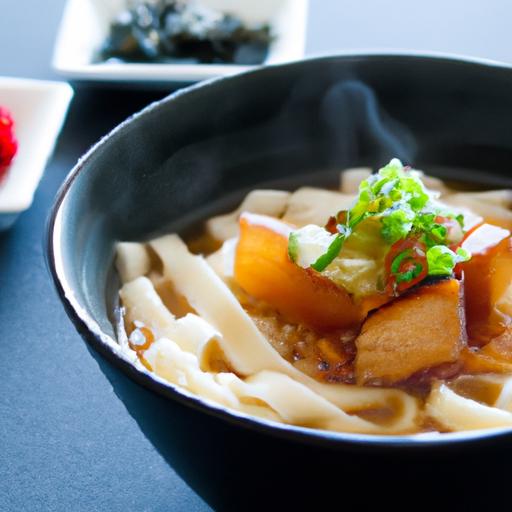

In the bustling heart of Japan’s culinary landscape lies a humble yet profoundly comforting dish: udon noodle soup. More than just a meal, udon embodies a warm embrace on a chilly day and a quiet celebration of simplicity and tradition. This thick, chewy noodle bathed in savory broth has journeyed thru centuries, evolving yet steadfastly holding its place as a beloved comfort bowl in homes and street stalls alike. Join us as we dive into the rich history,cultural importance,and mouthwatering variations of udon noodle soup-a true taste of Japan’s soul served in a steaming bowl.
Udon noodle soup is a beloved dish that perfectly captures the comforting essence of Japanese cuisine. This warm, silky soup invites you into a world where simple ingredients transform into an unforgettable experience through customary techniques and regional nuance. From its roots in ancient Japan to today’s bustling kitchens, the story behind this hearty bowl breathes life into every slurp, warming the heart and soul alike.
Prep and Cook Time
- Planning: 20 minutes
- Cooking: 40 minutes
- Total Time: 1 hour
Yield
- Serves 4 generous bowls
Difficulty Level
- Medium
Ingredients
- 400g fresh udon noodles (or dried, soaked)
- 8 cups dashi stock (homemade preferred for depth, see tips)
- 1/4 cup soy sauce (preferably shoyu)
- 2 tbsp mirin
- 1 tsp sugar
- 2 green onions, finely sliced
- 150g thinly sliced beef (optional)
- 1 block of firm tofu, cubed
- 2 tbsp vegetable oil
- 1 tsp grated ginger
- 1 sheet nori, sliced thinly
- Shichimi togarashi (Japanese chili blend), for garnish
Instructions
- Prepare the dashi stock. If using instant dashi, dissolve powder in 8 cups hot water. For richer flavor, simmer kombu and bonito flakes, then strain. This forms the soul of your broth.
- In a pot, combine dashi, soy sauce, mirin, and sugar. Bring to a gentle simmer over medium heat, stirring occasionally until sugar dissolves. Keep warm but avoid boiling aggressively to maintain delicate flavors.
- Heat vegetable oil in a skillet over medium heat. Add grated ginger and thinly sliced beef (if using). sauté until beef is just cooked through, about 3-4 minutes. Remove and set aside.
- Cook udon noodles. Boil noodles separately according to package instructions (usually 8-10 minutes fresh, longer for dried). Drain well and rinse briefly under cold water to stop cooking and reduce stickiness.
- add cubed tofu gently to the simmering broth. let it warm through without stirring heavily to prevent breaking.
- Assemble the bowls. Divide udon noodles among four deep bowls. Ladle hot broth and tofu over noodles.
- Top each bowl with sautéed beef (if used), sliced green onions, and nori strips. Finish with a light dusting of shichimi togarashi if a spicy kick is desired.
- Serve immediately. Offer extra soy sauce or chili seasoning on the side for personalized flavor adjustments.
Tips for Success
- For authentic broth, experiment with kombu and bonito flakes to make your own dashi; simmer kombu gently for 20 minutes, adding bonito flakes off heat, then straining.
- Use fresh udon noodles when possible for a chewy, tender bite – dried noodles are a handy choice but may require longer cooking.
- Don’t over-boil the broth once soy sauce is added; this keeps the umami balanced and clean.
- To make a vegetarian version, substitute dashi with a kombu-only stock and replace beef with mushrooms like shiitake or enoki.
- Prepare ingredients ahead to streamline cooking, especially if serving guests.
Serving Suggestions
Present udon noodle soup in deep ceramic bowls to retain heat and showcase its inviting colors. Garnish with fresh green onions and crisp nori strips for contrast. Pair it with tempura vegetables or lightly pickled daikon radish on the side for texture balance. A warm cup of green tea or light sake enhances the dining experience, complementing the soup’s umami layers. For a cozy meal, encourage slurping to savor the broth’s full effect-an intrinsic part of enjoying udon noodle soup authentically.

| Nutritional Data (per serving) | Amount |
|---|---|
| Calories | 350 kcal |
| Protein | 18 g |
| Carbohydrates | 45 g |
| Fat | 7 g |
For more ways to explore Japanese cuisine,check out our Tempura Recipes Collection. To deepen your knowledge about traditional Japanese broths, visit the Japan Guide on Dashi Broth.
Q&A
Q&A: Udon Noodle Soup – A Warm Journey Into Japan’s Comfort Bowl
Q1: What exactly is udon noodle soup, and why is it considered Japan’s comfort bowl?
A1: Udon noodle soup is a traditional Japanese dish featuring thick, chewy wheat noodles served in a savory broth, often accompanied by toppings like scallions, tempura, or fish cake. its simplicity paired with heartwarming warmth makes it the ultimate comfort food, embodying a gentle hug in a bowl that soothes both body and soul.
Q2: Where did udon originate, and how did it become so beloved in Japan?
A2: Udon’s roots trace back to the Nara period, influenced by Chinese wheat noodles brought to Japan over a millennium ago.Over centuries, udon evolved into a domestic staple, cherished for its versatility and ability to comfort people during cold winters or hectic days, eventually becoming deeply ingrained in Japan’s culinary identity.Q3: what makes udon noodles unique compared to other noodles?
A3: Udon noodles boast a distinctive thickness and chewiness that creates a delightfully satisfying mouthfeel. Made primarily from wheat flour,water,and salt,their simplicity belies the skill required to achieve the perfect texture-soft yet resilient,a tactile joy in every slurp.
Q4: How is the broth for udon soup traditionally prepared?
A4: The broth, or “dashi,” is the soul of udon soup. Traditionally, it’s crafted from kombu (kelp) and katsuobushi (dried bonito flakes), yielding a clear, umami-rich base that is both delicate and deeply flavorful. Soy sauce and mirin add layers of savory sweetness, enhancing the overall harmony.
Q5: Are there regional variations of udon across japan?
A5: Absolutely! From the dark, robust soy-based broth of Kansai’s “kake udon” to the lighter flavors of Kanto, each region celebrates udon with unique twists. Sanuki udon from Kagawa Prefecture is famed for its firm, springy noodles, while Nagoya’s miso udon offers a richer, heartier experience-a testament to Japan’s diverse culinary landscapes.
Q6: What toppings are popular for udon, and do they vary by season?
A6: Common toppings include scallions, tempura shrimp or vegetables, kamaboko (fish cake), and a raw or poached egg. Seasonal ingredients also make appearances-delicate mushrooms in autumn, fresh spring greens, or chilled cucumber slices in summer-turning udon into a dish that dances with the rhythms of nature.
Q7: How can someone best enjoy udon noodle soup at home?
A7: To savor udon’s magic at home, start with quality noodles and prepare a fresh dashi broth. Keep the toppings simple, honoring the dish’s understated elegance. Slurp generously-a cultural gesture showing thankfulness and helping to cool the noodles-then let the warmth wash over you,transforming any moment into a cozy experience.
Q8: Why does udon noodle soup resonate so deeply with people worldwide today?
A8: In our fast-paced, frequently enough stressful lives, udon offers a pause-a return to simplicity, nourishment, and tradition. Its comforting warmth transcends cultures, inviting everyone to partake in a timeless ritual of culinary kindness, reminding us that sometimes, happiness is as simple as a bowl of noodles steeped in love.
wrapping Up
As the steam rises from a humble bowl of udon noodle soup, it carries with it more than just warmth-it carries centuries of tradition, culture, and the simple joy of comfort food. Each slurp is a journey through Japan’s culinary landscape, where thick, chewy noodles swim in delicate broths, inviting you to slow down and savor the moment. Whether enjoyed in a bustling city eatery or a quiet countryside kitchen, udon is more than a meal; it’s a heartfelt embrace in a bowl, reminding us that sometimes, the greatest journeys are those that nourish both body and soul. So next time you find yourself craving something soothing and satisfying, let udon noodle soup be your warm invitation into Japan’s comfort cuisine.